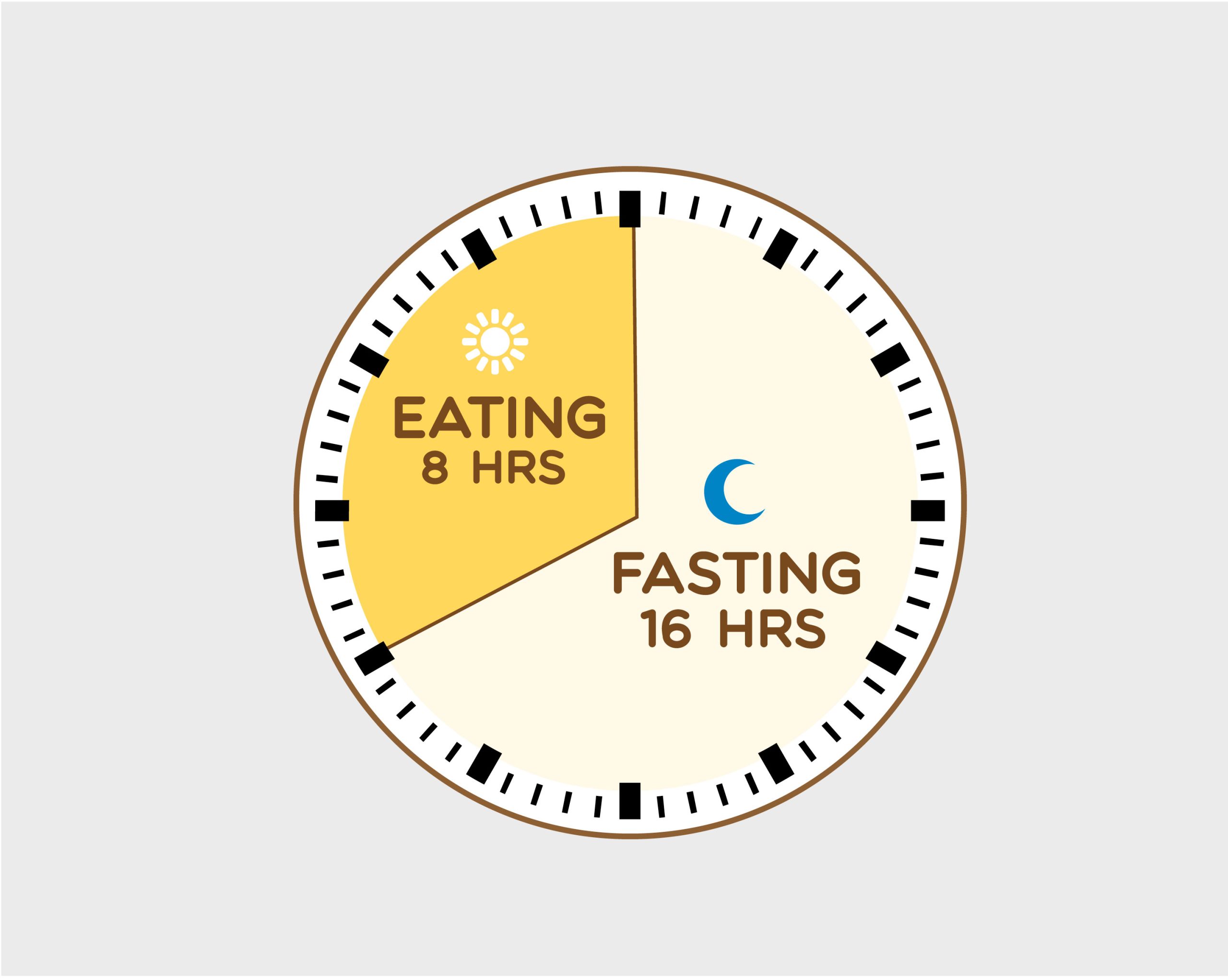
مقدمه: روزهداری در قرآن کریم بهعنوان یک عمل عبادی توصیه شده و خداوند در آیه ۱۸۴ سوره بقره تأکید میکند که "وَأَن تَصُومُوا۟ خَيْرٌۭ لَّكُمْ إِن كُنتُمْ تَعْلَمُونَ" (و اگر روزه بگیرید، برای شما بهتر است، اگر علم داشته باشید). این جمله ما را به تفکر و تحقیق علمی در مورد تأثیرات روزهداری بر بدن انسان، سیستم ایمنی، متابولیسم و حتی بیماریهایی مانند سرطان دعوت میکند.
Introduction
Fasting is recommended in the Holy Quran as an act of worship, with God emphasizing in Surah Al-Baqarah (2:184): “And that you fast is better for you, if only you knew.” This verse invites scientific inquiry into fasting’s effects on the human body, immune system, metabolism, and even diseases such as cancer.
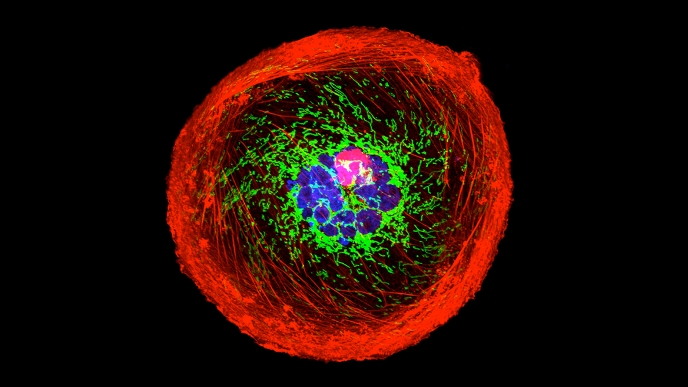
Modern research has demonstrated that fasting induces significant cellular, immunological, metabolic, and defensive changes in the body. One of the most critical mechanisms is autophagy, activated during fasting, which plays a role in eliminating damaged cells and potentially controlling cancer cell growth. However, many scientific aspects of fasting—particularly in comparison to similar methods like intermittent fasting, calorie restriction, and nutritional limitation—remain unexplored.
This call invites students, researchers, and scholars to examine fasting’s effects from scientific, medical, biological, cognitive, and technological perspectives.
Research is defined across multiple academic levels, and all forms of scientific, artistic, and literary contributions—tailored to participants’ expertise—are welcome.
Level 1: Elementary Students | Understanding Fasting and Body Health
Suggested Activities:
- Poster Design: Illustrating fasting’s effects on the human body.
- Storytelling: If your body could speak, what would it say about fasting?
- Observation & Documentation: Recording personal and familial fasting experiences.
Basic Research Questions:
- Why do we feel hungry while fasting?
- Why does the body rely more on fat for energy during fasting?
- Can animals fast like humans?
Objective: Cultivating initial interest in fasting’s effects and basic understanding of bodily functions.
Level 2: Secondary Students | Scientific Analysis of Fasting and Metabolism
Suggested Research Topics:
- Fasting’s impact on weight loss and metabolic changes.
- How fasting regulates blood sugar and insulin levels.
- Comparing Islamic fasting with intermittent fasting.
- How the body sustains energy during fasting.
- Why fasting enhances mental focus and calmness in some individuals.
- Does fasting trigger cellular detoxification?
Objective: Exploring the physiological mechanisms of fasting.
Level 3: Undergraduate Students | Fasting, Metabolic Regulation, and Disease Treatment
Proposed Research Questions:
- How does fasting affect immune cells and defense mechanisms?
- Does fasting increase resistance to oxidative stress?
- What is fasting’s impact on cancer-related gene expression?
- Does the timing of Islamic fasting have unique metabolic effects?
- How does simultaneous water and food restriction (as in Islamic fasting) compare to caloric restriction?
- Can fasting improve tolerance to cancer treatments like chemotherapy?
Objective: Analyzing fasting’s molecular and physiological effects and its therapeutic potential.
Level 4: Graduate Students (MSc/PhD) | Fasting and Cancer Therapy
Proposed Research Topics:
- Molecular mechanisms of autophagy in eliminating cancer cells.
- Comparing fasting’s effects across cancer types (metabolic vs. aggressive cancers).
- Fasting’s role in regulating cancer cell signaling pathways.
- How Islamic fasting timing influences therapeutic outcomes in cancer patients.
- Can fasting reduce chemotherapy/radiotherapy side effects?
- The role of circadian rhythms in fasting-induced cellular repair.
Objective: Investigating fasting’s advanced effects on cancer treatment at cellular, animal, and clinical levels.
Level 5: Interdisciplinary Researchers (Medicine, Biology, Neuroscience, AI & Emerging Technologies)
Proposed Research Topics:
- AI-based modeling of fasting metabolism.
- Biosensors for real-time physiological monitoring during fasting.
- Bioinformatics analysis of autophagy-related pathways.
- Fasting’s impact on stem cells and tissue regeneration.
- Comparative analysis of dietary patterns in fasting individuals and their effects on cardiovascular, neurological, and digestive health.
- Experimental Studies:
- Testing tumor-derived cells from Iranian patients under fasting conditions.
- Animal studies on fasting combined with various therapies.
- Clinical trials assessing fasting during chemotherapy, hormone therapy, immunotherapy, and radiotherapy.
Objective: Cross-disciplinary exploration of fasting using cutting-edge technologies and novel scientific approaches.
Submission Guidelines
- Participants at all levels may submit findings as research papers, articles, posters, videos, stories, or other creative formats.
- Outstanding works will be published on the project’s official website, with scientific awards for top contributions.
- No restrictions on presentation methods—all scientific, artistic, and literary submissions are encouraged.
Submit via the project’s official website.
We look forward to your innovative research!