Fasting has long been regarded as a spiritual and devotional practice, yet in recent years, scientific inquiry has revealed new dimensions of this phenomenon. Studies suggest that fasting can profoundly impact health, metabolism, cellular function, and even the prevention and treatment of chronic diseases, including cancer. Notably, the Quran emphasizes this practice in verse 184 of Surah Al-Baqarah, where God outlines exemptions from fasting but concludes with a profound statement:
“And that you fast is better for you, if only you knew.”
This verse not only asserts the superiority of fasting but also implies that understanding its benefits requires knowledge—a possible invitation to scientific inquiry. Could fasting, even in illness, hold unrecognized advantages?
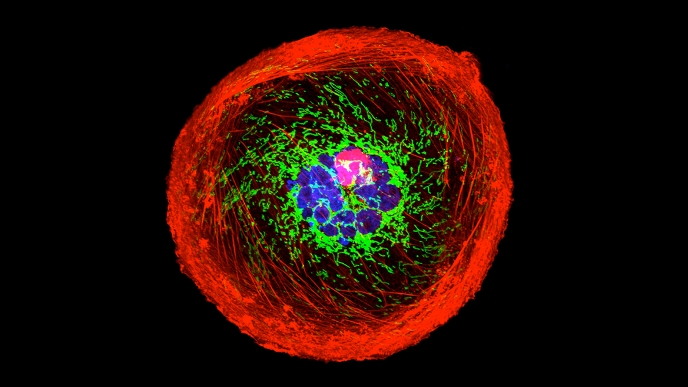
In modern oncology, cancer patients are typically advised to maintain a high-calorie, nutrient-rich diet, particularly during chemotherapy or radiation, to support the body’s fight against malignant cells. However, emerging research indicates that fasting may lower blood glucose levels, creating conditions that suppress cancer cell proliferation. While healthy cells adapt through mechanisms like autophagy—a cellular recycling process triggered by energy deprivation—rapidly dividing cancer cells may struggle under metabolic stress. This discovery has spurred investigations into fasting as a potential adjunct to cancer therapy. In 2016, Yoshinori Ohsumi won the Nobel Prize in Physiology or Medicine for elucidating autophagy, a process now linked to inhibiting cancer growth and enhancing treatment efficacy.
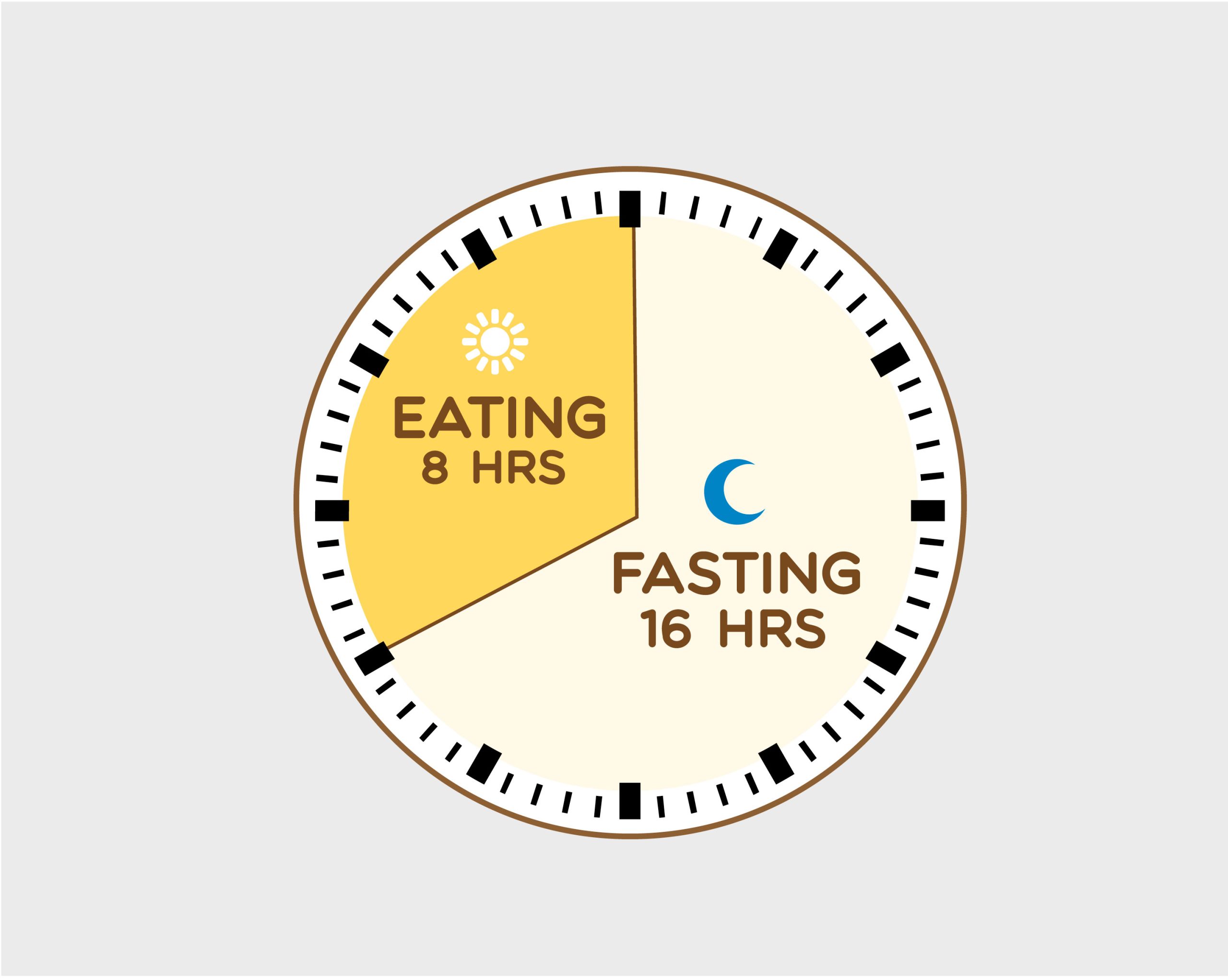
A critical distinction lies in the unique structure of Islamic fasting compared to other regimens like intermittent fasting or calorie restriction. Unlike models permitting limited food or water intake during specific windows, Islamic fasting mandates complete abstinence from both from dawn to sunset. This practice may induce distinct physiological effects, as circadian alignment and prolonged abstinence could trigger metabolic responses absent in other fasting forms. Key questions arise: Does the precise timing of Islamic fasting enhance cellular detoxification? Are certain hours of the day more conducive to metabolic optimization?
Research on fasting’s anticancer effects must span multiple scientific levels. At the cellular level, studies could examine how fasting alters biochemical pathways in cancer cells—does it downregulate genes promoting survival or upregulate tumor-suppressing proteins? Animal models may reveal whether fasting slows tumor growth and whether sensitivity varies across cancer types. Clinically, controlled trials are needed to assess Islamic fasting’s viability as a complementary therapy.
Another pivotal question is how fasting modulates immune-cancer cell interactions. Evidence suggests fasting may activate immune cells, improving their ability to target malignancies—a potential breakthrough for immunotherapy, a cutting-edge oncology approach. Additionally, do all cancers respond equally? Glucose-dependent cancers (e.g., breast, prostate) might be more susceptible to fasting-induced metabolic shifts, but generalizability across cancer types remains unclear. Could personalized fasting regimens enhance treatment outcomes?
These investigations promise dual benefits: advancing our understanding of fasting’s health impacts and uncovering deeper scientific wisdom within the Quran. When God states, “And that you fast is better for you, if only you knew,” the verse transcends mere counsel—it is a call to pursue knowledge. Might fasting conceal health secrets yet to be fully unraveled? Science serves as a tool for truth, and the Quran repeatedly urges reflection on natural phenomena. Thus, studying fasting’s biological effects is not only a medical imperative but also an opportunity to explore the confluence of divine revelation and human discovery.