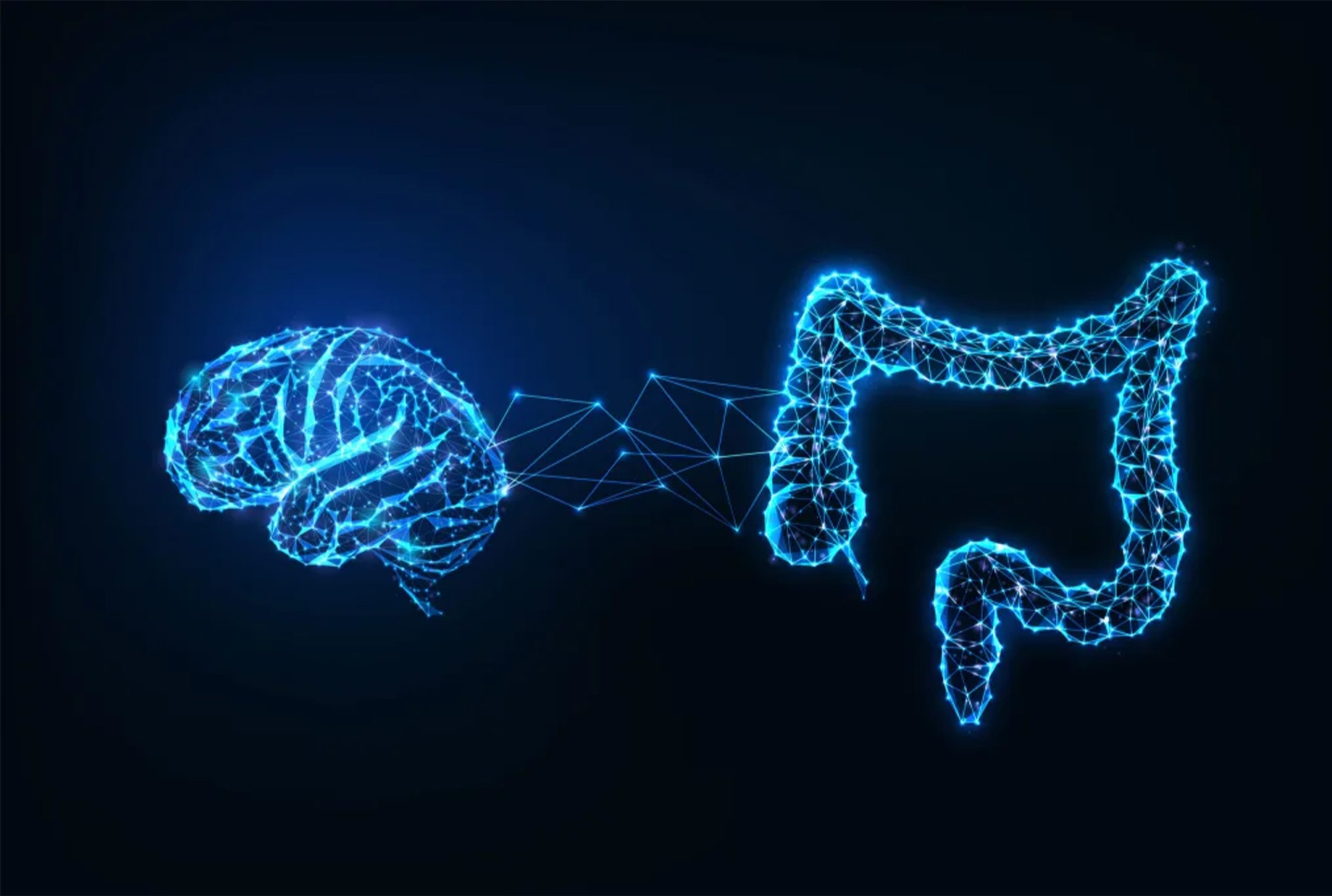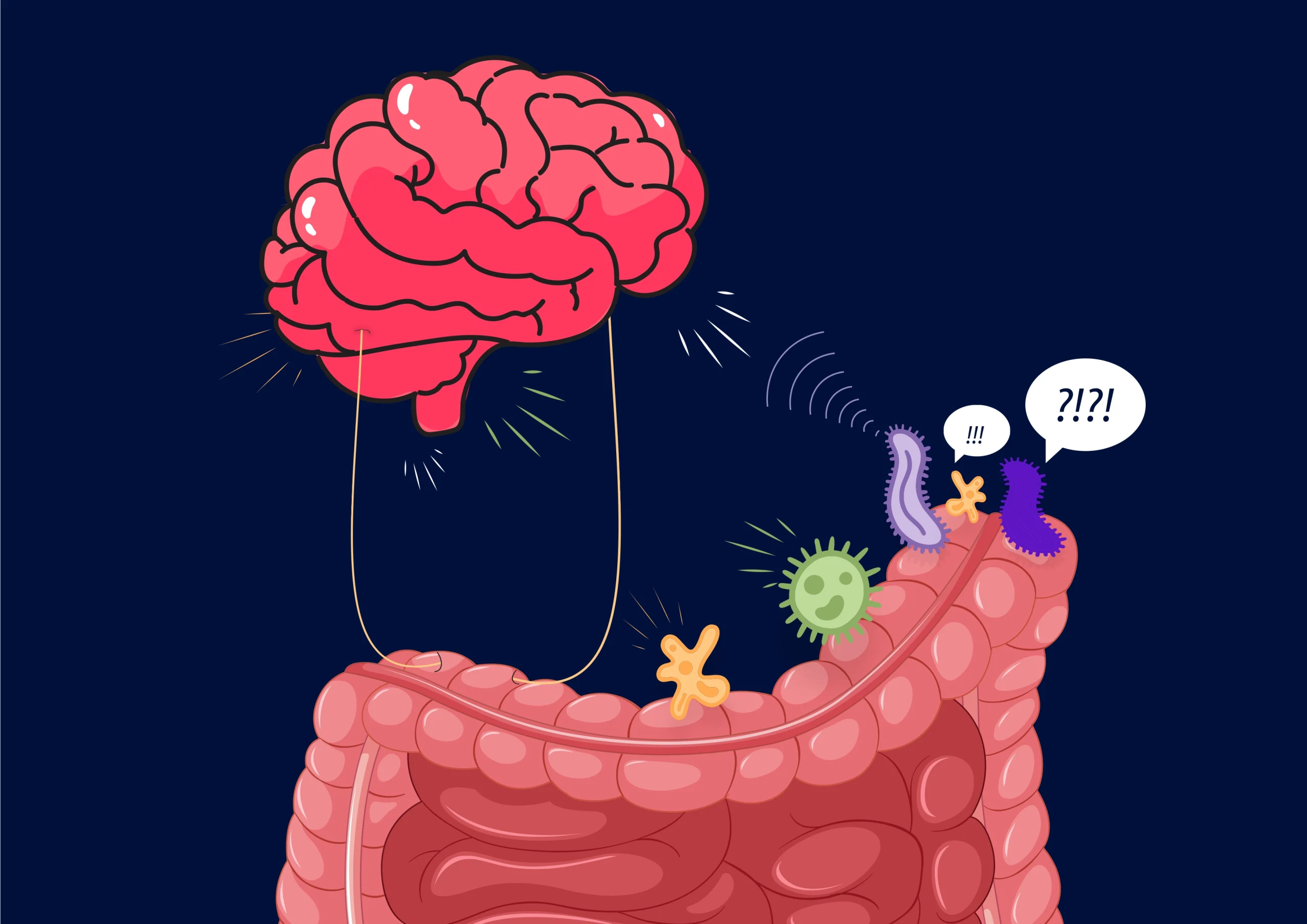
Throughout history, the influence of food on physical and mental well-being has captivated the attention of scholars and philosophers. The Holy Quran, in various verses, advocates for the consumption of halal (permissible) foods while prohibiting haram (forbidden) items such as pork, blood, and carrion. Yet, a pressing question arises: Are these injunctions purely religious directives, or can they also be grounded in scientific reasoning? Recent research suggests that dietary choices extend beyond physical health, profoundly impacting the brain, cognition, and even social and emotional behaviors through the gut-brain-microbiota axis.
The microbiota—a dynamic community of trillions of microorganisms inhabiting our bodies—plays a pivotal role in health and maintains direct communication with the brain. For decades, this relationship was assumed to be unidirectional, with the brain influencing digestive functions. However, emerging studies reveal a bidirectional link, demonstrating that gut microbiota composition can modulate brain function, affecting neuropsychiatric conditions such as depression, anxiety, autism, and neurodegenerative diseases.
Given the biochemical and structural differences between halal and haram foods—and their distinct effects on gut microbiota—an intriguing question emerges: Could Islamic dietary laws align with modern scientific findings? For instance, narrations from the Ahl al-Bayt (AS) suggest that consuming pork diminishes zeal and alters social behavior, while ingesting blood may increase aggression and reduce compassion. Contemporary research on microbiome interactions provides preliminary evidence that certain compounds in haram foods may indeed influence neural regulation and mood.
Recent studies highlight that gut microbiota composition varies significantly based on diet, genetics, environment, antibiotic use, and other factors—each exerting unique effects on human cognition and behavior. This has led some researchers to pose a profound philosophical question:
“To what extent are we governed by our microbiota?”
Numerically, microbial cells in our bodies outnumber human cells, and over 99% of our genetic material is microbial rather than human.
Multiple pathways illustrate how microbiota regulate brain function via the immune system, gut hormones, neurotransmitters, and bacterial metabolites. Some studies even implicate gut dysbiosis in neurodevelopmental and psychiatric disorders, including autism and Alzheimer’s. Notably, diet can rapidly reshape the microbiome—research published in Nature found that dietary changes alter gut microbiota composition within just five days, underscoring food’s immediate and profound impact on health and behavior.
Of particular interest is the effect of meat consumption on microbiota. Recent studies indicate that pork and other fatty meats promote inflammatory gut bacteria, potentially exacerbating chronic inflammation and impairing cognitive and neurological function. These findings may offer a scientific basis for religious dietary restrictions.
Another compelling area is the intersection of fasting and the gut-brain axis. Evidence suggests that fasting positively modulates gut microbiota, enriching beneficial microbial species while reducing neuroinflammation and enhancing cognition. This raises a critical question: Does fasting exert unique effects on the gut-brain axis that other dietary interventions lack?
Despite advances, many questions remain unanswered. The precise role of microbiota in regulating emotions, cognition, and behavior is still being unraveled, making this one of the most vibrant frontiers in science. Yet, the interplay between diet, gut microbiota, brain function, and Quranic dietary laws may open new avenues for interdisciplinary research.
Key Research Questions for Future Studies:
- Do halal and haram diets significantly alter gut microbiota composition?
- How do gut microbiota changes influence behavior and cognition?
- Could fasting serve as an effective intervention for gut-brain axis regulation?
- Do Quranically prescribed or prohibited foods directly impact gut microbiome structure?
- How can scientific insights on microbiota inform brain- and body-optimized diets?
Ultimately, examining this subject through both Quranic and scientific lenses may deepen our understanding of the intricate relationship between diet, health, and cognition. Undoubtedly, this field will shape the future of interdisciplinary research, bridging faith and science in unprecedented ways.
We invite researchers to explore these compelling questions and contribute to this groundbreaking dialogue. Submissions of research papers, theoretical analyses, and innovative perspectives are welcome through the project’s official website.