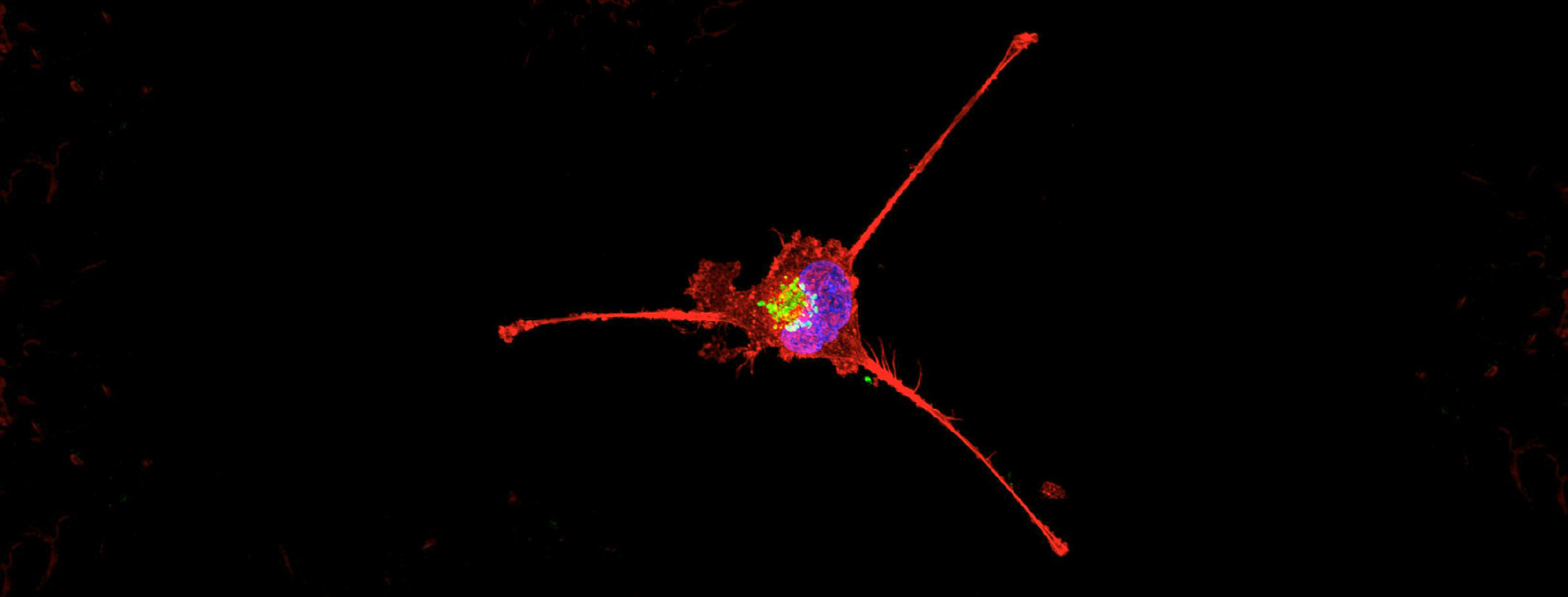
This study examines researchers' investigations into the effects of fasting on cancer prevention and treatment, synthesizing existing research to provide a comprehensive overview. Findings suggest that intermittent fasting may inhibit tumor growth by altering cellular metabolism, enhancing immune response, and reducing side effects of conventional treatments like chemotherapy. While preliminary evidence—particularly when combined with systemic therapies—is promising, metabolic variability among tumors and the need for broader clinical trials necessitate caution in generalizing results. The study also highlights the importance of controlled trials to evaluate Islamic fasting as an adjunctive intervention in cancer. Integrating modern medical treatments with fasting regimens may open new horizons in cancer management, provided future research advances in establishing safe protocols.
Abstract
Fasting-based diets are a popular approach used by thousands to aid weight control, gut rest, and other health benefits. Recent studies suggest fasting can reduce risk factors and even improve symptoms of serious diseases like cancer. This observational study reviews the latest medical research on fasting’s role in preventing and treating cancer, exploring its compatibility with Islamic fasting as a religious duty alongside medical fasting (e.g., FMD, STF, PFCR, IF). Results indicate that while fasting combined with systemic cancer treatments shows potential, extensive clinical trials are needed for definitive conclusions.
1. Introduction
Fasting is one of the most important religious practices and a divine obligation for Muslims during the holy month of Ramadan, as stated in verses 183 and 184 of Surah Al-Baqarah. This emphasis aims to draw closer to God and purify the body and soul. Islamic fasting, in terms of food, entails abstaining from eating and drinking during specific hours of the day (from dawn to sunset). The Quran commands Muslims to fast in verse 183 of Surah Al-Baqarah and, in verse 184, encourages fasting even for the sick or those unable to fast, using the phrase “And fasting is better for you, if only you knew.” Many researchers have studied the effects of fasting on physical health, cellular aging, lifespan, neurological, autoimmune, cardiovascular, and metabolic diseases, proving its benefits [1]. Among these studies, Yoshinori Ohsumi, a Japanese cell biologist, won the Nobel Prize in Medicine in 2016 for demonstrating that fasting activates autophagy (the process of cellular recycling and regeneration) and slows aging [2]. However, a critical point in this research is fasting’s impact on sick individuals, as existing studies have not conclusively shown its positive or negative effects in a coherent manner.
Cancer is recognized as one of the most challenging diseases of the modern era, and patients are typically advised to maintain a complete and varied diet. However, the situation becomes more complex for Muslim patients during Ramadan, where recommendations for or against fasting have always raised concerns. Physicians often advise against fasting during treatment and even up to two years post-treatment. Yet, the potential positive or negative effects globally require further investigation. While some studies focus on the harms of fasting on cancer cells and their proliferation, other pioneering studies suggest its safety and even benefits for cancer patients. Thus, the question arises: Which findings are more reliable, and under what conditions can fasting be used as a preventive or therapeutic agent for cancer? This observational article reviews existing research to determine under what circumstances fasting may benefit the prevention or treatment of severe diseases like cancer.
2. Research Background
Fasting or intermittent fasting, whether for several days a week or several hours a day, is a popular approach used by thousands to aid weight control, gut rest, and other health benefits [3]. Various diets mimicking fasting styles, such as FMD, STF, PFCR, and IF, have emerged worldwide, categorized by duration and dietary changes. While some studies suggest fasting may stimulate cancer cells and promote metastasis [4] and that starving a tumor is ineffective due to all cells’ (cancerous or non-cancerous) reliance on glucose for respiration [5], other pioneering studies report striking results on its safety and even benefits for cancer patients. However, these findings have been highlighted very cautiously [6]. Some research indicates fasting can, in certain cases, serve as a method for preventing and treating specific types of solid tumors [7]. When combined with cancer treatments, dietary restrictions may limit cancer cell adaptation, survival, and growth, potentially playing a key role in cancer remission [8-11]. It may also enhance therapies like chemotherapy, immunotherapy, and hormone therapy [12-13] and reduce side effects of treatments such as radiotherapy [14-15]. These positive effects appear linked to factors like reduced blood glucose production, stimulation of stem cells for immune system regeneration, and balanced nutrition [11]. Additionally, fasting significantly impacts fat metabolism, gut bacteria activity, and caloric intake [16], promoting cholesterol excretion from cancer cells [17]. Thus, combining fasting with chemotherapy slows the progression of cancers like breast and skin cancer [18-19] and increases the production of lymphoid progenitor cells (CLPs) and tumor-infiltrating lymphocytes, which aid in tumor elimination. Therefore, caloric restriction in fasting-based diets not only reduces the toxicity of cancer treatments in healthy cells [12-13] but also significantly damages cancer cells [6, 10].
Overall, a review of scientific literature shows that while dietary manipulation of many metabolites demonstrates clear preclinical advantages and some show promise in clinical trials, no clear guidelines or recommended dietary modifications exist for cancer patients. For preventing or treating various cancers, appropriate dietary recommendations or combinations are needed, as the effects of these diets may vary depending on metabolic activity, energy sources, and nutritional dependencies of each cancer type [14].
3. Research Methodology
3-1. Religious and Quranic Research Methodology:
This study references verses 183 and 184 of Surah Al-Baqarah, consulting authoritative Quranic translations and interpretations. Fasting was examined as a keyword, and extracted studies were compared with Islamic rulings on the subject.
3-2. Scientific Research Methodology:
This study relies on reputable scientific sources, primarily from PubMed (MEDLINE), Scopus, Embase, and Nature journals (2014-2024). Keywords included Fasting, FMD, STF, PFRC, DR, IF, Cancer, etc. Highly cited articles with significant impact were prioritized.
4. Research Execution, Results, and Discussion
4-1. Metabolic Vulnerabilities of Cancer
Nutrient metabolism pathways in cancer cells reveal how they alter metabolism to meet energy and structural needs [21]. These changes include increased nutrient uptake and activation of intracellular anabolic pathways. The three primary nutrient sources for cancer cells are glucose, amino acids, and fats.
- Glucose Metabolism: Glucose, as the primary energy source, is obtained from diet or synthesized in the liver. It is metabolized via:
- Glycolysis: Glucose breaks down into pyruvate in the cytosol, producing ATP and NADH. Cancer cells prefer glycolysis even in oxygen-rich conditions (the Warburg effect) [22].
- Oxidative Phosphorylation: Pyruvate enters mitochondria, generating more ATP via the TCA cycle and electron transport chain. This pathway is more efficient but oxygen-dependent [23].
- Lactate’s Role: Once considered a waste product, lactate is now recognized as an important energy source for many tumors, sometimes surpassing glucose in TCA cycle utilization [24].
- Fructose Metabolism: Fructose also serves as an energy source, broken down via glycolytic pathways. It can reprogram metabolic pathways for biosynthesis and cell survival.
- Amino Acid Metabolism:
- Glutamine: A non-essential amino acid obtained from diet, muscle breakdown, or intracellular pathways. It converts to α-ketoglutarate, supplying TCA intermediates and aiding fatty acid synthesis [25].
- Branched-Chain Amino Acids (BCAAs): Leucine, isoleucine, and valine are used for protein synthesis or energy.
- Fatty Acid Metabolism: Fats, as dense energy sources, come from diet or body stores. During food scarcity, fats break down into fatty acids and glycerol. Fatty acids oxidize for ATP, contribute to phospholipid/cholesterol synthesis, or are stored. In the liver, fatty acids convert to ketones, which some tumors utilize [26].
- Hypoxia’s Impact: In low oxygen, cancer cells increase glycolysis and reduce NADH production to meet energy demands. This metabolic flexibility is also observed in some immune cells [22].
- Metabolic Vulnerabilities: Cancer cells depend on specific metabolic pathways for survival, which can be targeted therapeutically—e.g., limiting glucose or glutamine or targeting pathways like the pentose phosphate pathway. Understanding these pathways is crucial for designing effective cancer treatments.
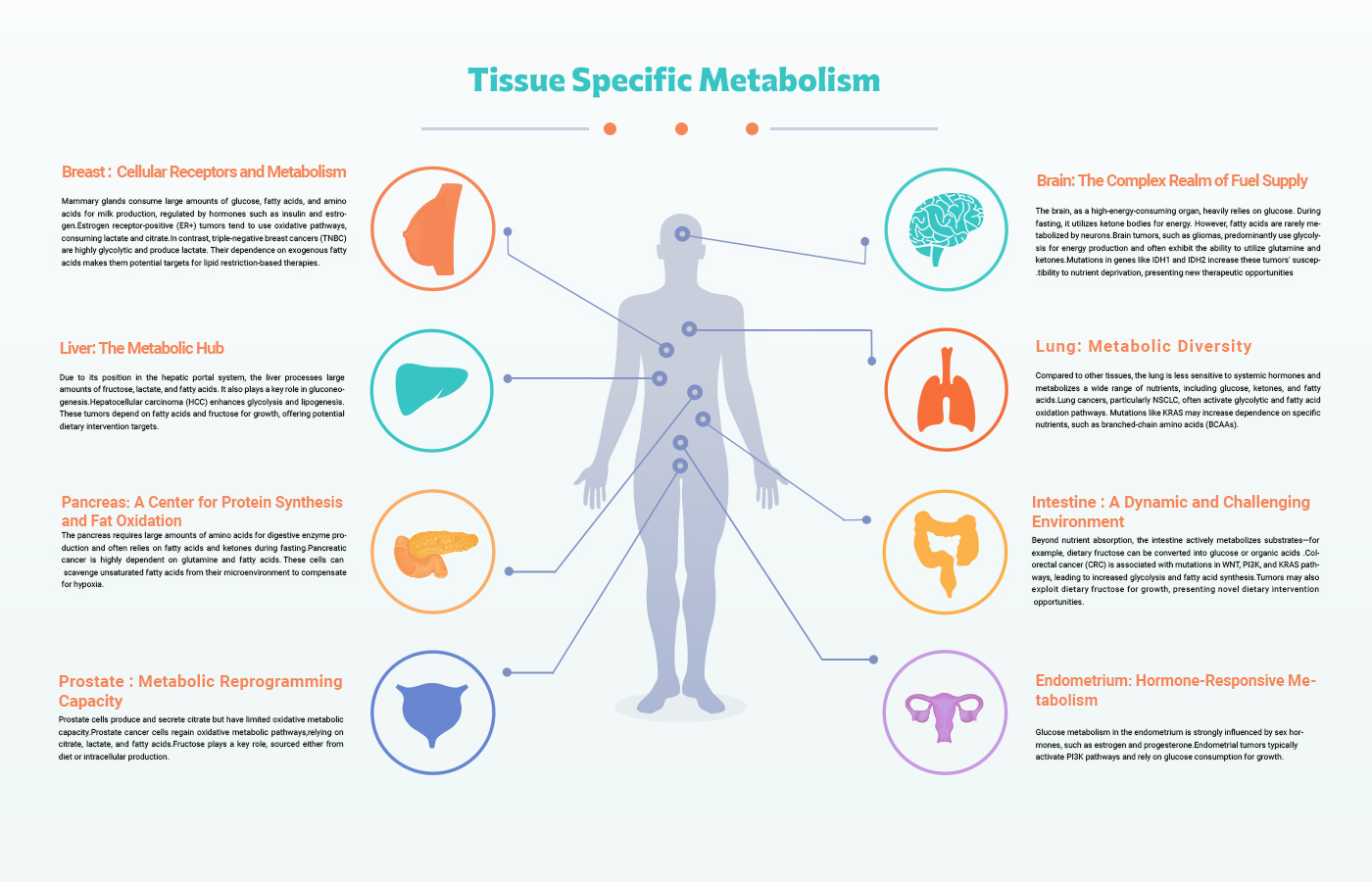
Tissue-Specific Metabolism.4-2
Tumors exhibit distinct metabolic changes based on their tissue origin, reflecting adaptation to varying environments [27]. Key examples:
- Brain:
- Normal Metabolism: The brain relies heavily on glucose and, during fasting, ketones. Fatty acids are rarely used by neurons [28-32].
- Cancer Changes: Gliomas favor glycolysis but may use glutamine/ketones. IDH1/IDH2 mutations increase nutrient dependency, offering therapeutic opportunities.
- Breast:
- Normal Metabolism: Mammary glands consume glucose, fatty acids, and amino acids for milk production, regulated by insulin/estrogen [33-38].
- Cancer Changes:
- ER+ tumors use oxidative pathways (lactate/citrate).
- Triple-negative tumors are highly glycolytic. Their reliance on external fatty acids makes them targets for fat-restricted diets.
- Liver:
- Normal Metabolism: Processes fructose, lactate, and fatty acids via the portal vein and gluconeogenesis [39-45].
- Cancer Changes: Hepatocellular carcinoma (HCC) upregulates glycolysis/lipogenesis, depending on fatty acids/fructose—potential dietary intervention targets.
- Colon:
- Normal Metabolism: Active in nutrient absorption/metabolism (e.g., fructose → glucose/organic acids) [46-53].
- Cancer Changes: Colorectal cancer (CRC) with WNT/PI3K/KRAS mutations increases glycolysis/fatty acid synthesis. Dietary fructose may fuel growth.
- Prostate:
- Normal Metabolism: Produces/secrets citrate but has limited oxidative capacity [54-56].
- Cancer Changes: Tumors regain oxidative metabolism, consuming citrate, lactate, and fatty acids. Fructose plays a key role.
- Lung:
- Normal Metabolism: Utilizes glucose, ketones, and fatty acids with less systemic hormone sensitivity [57-61].
- Cancer Changes: NSCLC activates glycolysis/fatty acid oxidation. KRAS mutations increase BCAA dependency.
- Pancreas:
- Normal Metabolism: Requires amino acids for digestive enzymes; uses fatty acids/ketones during fasting [62-65].
- Cancer Changes: Tumors depend on glutamine/fatty acids, even scavenging unsaturated fats in hypoxia.
- Endometrium:
- Normal Metabolism: Glucose uptake regulated by estrogen/progesterone [66-69].
- Cancer Changes: Tumors activate PI3K, relying on glucose.
Therapeutic Outlook: Tissue-specific metabolic traits offer opportunities for targeted dietary interventions (e.g., restricting glucose, specific amino acids, or fats) alongside drugs, opening new avenues in cancer therapy.
4-3. Classification of Studies by Diet Type
Dietary interventions may improve cancer treatment by:
- Depleting tumor-fueling nutrients.
- Enhancing radiotherapy/chemotherapy by nutrient deprivation.
- Modifying growth factors or systemic immunity [3].
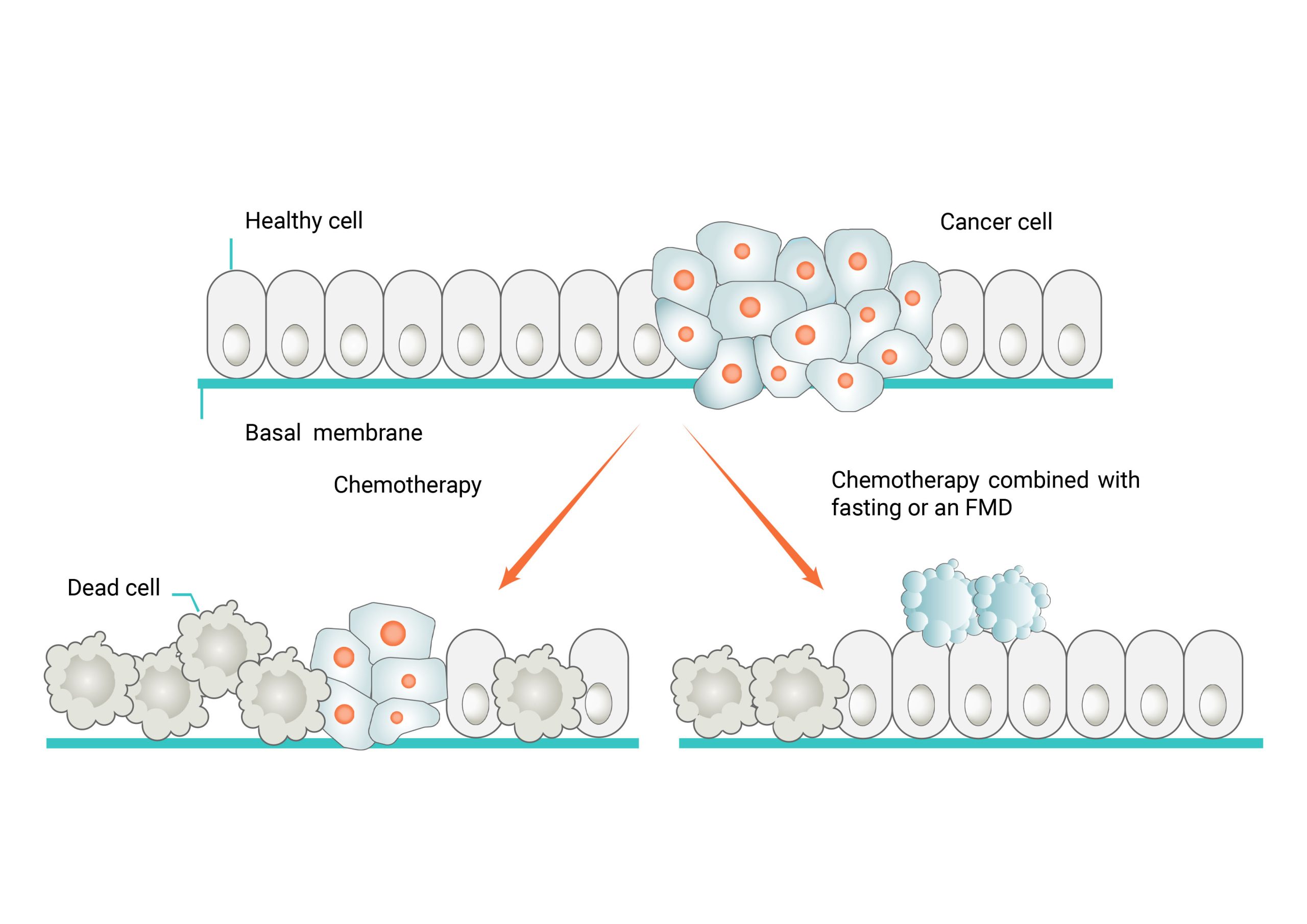
Approaches include:
- Caloric Restriction (CR): Reducing daily calories by 15–30% while maintaining macronutrient balance. CR lowers body weight, fat mass, insulin, thyroid hormones, and metabolic rate [71-73]. Since the 1900s, CR has shown anti-tumor effects in mice, reducing incidence/progression/metastasis [74-77]. Limited human data exists [78-80]. A Phase III trial (BWEL) is evaluating CR in early breast cancer [83].
- Fasting-Mimicking Diets (FMD):
- CR’s benefits may stem from fasting periods, not just calorie reduction [84-85].
- Small clinical trials show fasting reduces pro-tumorigenic hormones, side effects, and improves quality of life [86-87]. It also alters immune cells, potentially aiding anti-tumor responses [88].
- Challenges: Long-term fasting adherence is difficult [89]. FMD (e.g., 5-day plant-based, 300–600 kcal/day) mimics fasting benefits [91].
- In mice, FMD cycles boost therapy efficacy [93-95]. Human trials are ongoing [96-122].
- Very Low-Carbohydrate Diets (VLCD):
- A 12-week VLCD trial in ovarian/uterine cancer showed fat loss, preserved lean mass, and no lipid changes [124-126].
- In breast cancer, VLCD reduced tumor size during chemotherapy, though results need cautious interpretation [124].
- Low-Fat Diets (LFD):
- LFDs (<30% fat) emphasize vegetables, fruits, and whole grains. They safely reduce weight, cholesterol, and food intake [127-130].
- In breast cancer, LFDs improved survival post-diagnosis in subgroups (WHI, WINS, WHEL trials) [131-136].
- For prostate cancer, LFDs show unclear benefits, possibly due to tumor metabolic adaptation [137].
- Other Interventions:
- Restricting specific amino acids (e.g., serine, glycine, cysteine, methionine) shows preclinical promise but lacks clinical data.
4-4. Dietary Interventions as Radiotherapy Adjuvants
Fasting may enhance radiotherapy by impairing tumor DNA repair. Examples:
- Methionine restriction sensitizes tumors to radiation in mice [138].
- Low-carb diets/ketosis improved survival in recurrent glioma (ERGO2 trial) for patients achieving low glucose [141].
5. Conclusion and Future Research Directions
Public perception emphasizes nutrition’s importance, especially for patients. Yet, modern medicine, focused on drugs/radiation, often relegates diet to a supportive role. Recent research revisits cancer’s metabolic vulnerabilities:
Key Question: Is high cancer cell metabolism a weakness exploitable by dietary restriction?
Subsidiary questions include:
- Which nutrients fuel specific cancers?
- Should those nutrients be restricted?
Mouse studies support dietary interventions, but confounding variables (e.g., meal timing) complicate findings. Fasting-mimicking diets have emerged to address this. However, it remains unclear which approach (e.g., LFD, CR, FMD) is most effective. While LFD and CR are more advanced clinically, FMD awaits larger trials.
Given Quranic recommendations, we urge randomized controlled trials to test Islamic fasting’s efficacy alongside site-specific metabolic interventions.
References:
Voss, M., et al., ERGO2: a prospective, randomized trial of calorie-restricted ketogenic diet and fasting in addition to reirradiation for malignant glioma. International Journal of Radiation Oncology* Biology* Physics, 2020. 108(4): p. 987-995.
Longo, V.D., et al., Intermittent and periodic fasting, longevity and disease. Nature Aging, 2021. 1(1): p. 47-59.
Prize, T.n., The Nobel Assembly at Karolinska Institutet has today decided to award the 2016 Nobel Prize in Physiology or Medicine to Yoshinori Ohsumi for his discoveries of mechanisms for autophagy. 2016, The nobel Prize.
Kanarek, N., B. Petrova, and D.M. Sabatini, Dietary modifications for enhanced cancer therapy. Nature, 2020. 579(7800): p. 507-517.
Caccialanza, R., et al., Fasting in oncology: a word of caution. Nature Reviews Cancer, 2019. 19(3): p. 177-177.
Grimes, D.R. and E. O’Riordan, Starving cancer and other dangerous dietary misconceptions. The Lancet Oncology, 2023. 24(11): p. 1177-1178.
Blaževitš, O., M. Di Tano, and V.D. Longo, Fasting and fasting mimicking diets in cancer prevention and therapy. Trends Cancer, 2023. 9(3): p. 212-222.
de Groot, S., et al., Effects of short-term fasting on cancer treatment. J Exp Clin Cancer Res, 2019. 38(1): p. 209.
de Groot, S., et al., Fasting mimicking diet as an adjunct to neoadjuvant chemotherapy for breast cancer in the multicentre randomized phase 2 DIRECT trial. Nat Commun, 2020. 11(1): p. 3083.
Lu, Z., et al., Fasting selectively blocks development of acute lymphoblastic leukemia via leptin-receptor upregulation. Nature Medicine, 2017. 23(1): p. 79-90.
Weng, M.-l., et al., Fasting inhibits aerobic glycolysis and proliferation in colorectal cancer via the Fdft1-mediated AKT/mTOR/HIF1α pathway suppression. Nature Communications, 2020. 11(1): p. 1869.
Nencioni, A., et al., Fasting and cancer: molecular mechanisms and clinical application. Nat Rev Cancer, 2018. 18(11): p. 707-719.
Vernieri, C., et al., Fasting-mimicking diet plus chemotherapy in breast cancer treatment. Nature Communications, 2020. 11(1): p. 4274.
Zhang, J., Y. Deng, and B.L. Khoo, Fasting to enhance Cancer treatment in models: the next steps. Journal of Biomedical Science, 2020. 27(1): p. 58.
Pomatto-Watson, L.C.D., et al., Daily caloric restriction limits tumor growth more effectively than caloric cycling regardless of dietary composition. Nature Communications, 2021. 12(1): p. 6201.
Barradas, M., et al., Fatty acids homeostasis during fasting predicts protection from chemotherapy toxicity. Nature Communications, 2022. 13(1): p. 5677.
Clifton, K.K., et al., Intermittent fasting in the prevention and treatment of cancer. CA Cancer J Clin, 2021. 71(6): p. 527-546.
Khalifa, A., et al., Cyclic fasting bolsters cholesterol biosynthesis inhibitors’ anticancer activity. Nature Communications, 2023. 14(1): p. 6951.
Marinac, C.R., et al., Prolonged Nightly Fasting and Breast Cancer Prognosis. JAMA Oncol, 2016. 2(8): p. 1049-55.
Caffa, I., et al., Fasting-mimicking diet and hormone therapy induce breast cancer regression. Nature, 2020. 583(7817): p. 620-624.
Sadeghian, M., et al., A review of fasting effects on the response of cancer to chemotherapy. Clin Nutr, 2021. 40(4): p. 1669-1681.
Hanahan, D. and R.A. Weinberg, Hallmarks of cancer: the next generation. cell, 2011. 144(5): p. 646-674.
Chandel, N.S., Glycolysis. Cold Spring Harbor Perspectives in Biology, 2021. 13(5): p. a040535.
Chandel, N.S., Metabolism of proliferating cells. Cold Spring Harbor Perspectives in Biology, 2021. 13(10): p. a040618.
Hui, S., et al., Glucose feeds the TCA cycle via circulating lactate. Nature, 2017. 551(7678): p. 115-118.
Neinast, M.D., et al., Quantitative analysis of the whole-body metabolic fate of branched-chain amino acids. Cell metabolism, 2019. 29(2): p. 417-429. e4.
DeBerardinis, R.J. and C.B. Thompson, Cellular metabolism and disease: what do metabolic outliers teach us? Cell, 2012. 148(6): p. 1132-1144.
Reznik, E., et al., A landscape of metabolic variation across tumor types. Cell systems, 2018. 6(3): p. 301-313. e3.
Ding, J., et al., A metabolome atlas of the aging mouse brain. Nature communications, 2021. 12(1): p. 6021.
Ferraro, G.B., et al., Fatty acid synthesis is required for breast cancer brain metastasis. Nature cancer, 2021. 2(4): p. 414-428.
Ngo, B., et al., Limited environmental serine and glycine confer brain metastasis sensitivity to PHGDH inhibition. Cancer discovery, 2020. 10(9): p. 1352-1373.
Bi, J., et al., Altered cellular metabolism in gliomas—An emerging landscape of actionable co-dependency targets. Nature Reviews Cancer, 2020. 20(1): p. 57-70.
Venneti, S. and C.B. Thompson, Metabolic reprogramming in brain tumors. Annual Review of Pathology: Mechanisms of Disease, 2017. 12(1): p. 515-545.
Jung, Y., et al., The effect of sex hormones on normal breast tissue metabolism: Evaluation by FDG PET/CT. Medicine, 2019. 98(27): p. e16306.
Monaco, M.E., Fatty acid metabolism in breast cancer subtypes. Oncotarget, 2017. 8(17): p. 29487.
Marino, N., et al., Upregulation of lipid metabolism genes in the breast prior to cancer diagnosis. NPJ Breast Cancer, 2020. 6(1): p. 50.
Sullivan, M.R., et al., Increased serine synthesis provides an advantage for tumors arising in tissues where serine levels are limiting. Cell metabolism, 2019. 29(6): p. 1410-1421. e4.
André, F., et al., Alpelisib for PIK3CA-mutated, hormone receptor–positive advanced breast cancer. New England Journal of Medicine, 2019. 380(20): p. 1929-1940.
Goncalves, M.D., B.D. Hopkins, and L.C. Cantley, Phosphatidylinositol 3-kinase, growth disorders, and cancer. New England Journal of Medicine, 2018. 379(21): p. 2052-2062.
Saran, U., et al., Hepatocellular carcinoma and lifestyles. Journal of hepatology, 2016. 64(1): p. 203-214.
Anstee, Q.M., et al., From NASH to HCC: current concepts and future challenges. Nature reviews Gastroenterology & hepatology, 2019. 16(7): p. 411-428.
Jeon, J.Y., et al., Regulation of acetate utilization by monocarboxylate transporter 1 (MCT1) in hepatocellular carcinoma (HCC). Oncology Research, 2018. 26(1): p. 71.
Lally, J.S., et al., Inhibition of acetyl-CoA carboxylase by phosphorylation or the inhibitor ND-654 suppresses lipogenesis and hepatocellular carcinoma. Cell metabolism, 2019. 29(1): p. 174-182. e5.
Nakagawa, H., et al., Lipid metabolic reprogramming in hepatocellular carcinoma. Cancers, 2018. 10(11): p. 447.
Healy, M.E., et al., Dietary sugar intake increases liver tumor incidence in female mice. Scientific Reports, 2016. 6(1): p. 22292.
Tsuchida, T., et al., A simple diet-and chemical-induced murine NASH model with rapid progression of steatohepatitis, fibrosis and liver cancer. Journal of hepatology, 2018. 69(2): p. 385-395.
Zhao, S., et al., Dietary fructose feeds hepatic lipogenesis via microbiota-derived acetate. Nature, 2020. 579(7800): p. 586-591.
Taylor, S.R., et al., Dietary fructose improves intestinal cell survival and nutrient absorption. Nature, 2021. 597(7875): p. 263-267.
Goncalves, M.D., et al., High-fructose corn syrup enhances intestinal tumor growth in mice. Science, 2019. 363(6433): p. 1345-1349.
Yun, J., et al., Glucose deprivation contributes to the development of KRAS pathway mutations in tumor cells. Science, 2009. 325(5947): p. 1555-1559.
Hao, Y., et al., Oncogenic PIK3CA mutations reprogram glutamine metabolism in colorectal cancer. Nature communications, 2016. 7(1): p. 11971.
Brown, R.E., S.P. Short, and C.S. Williams, Colorectal cancer and metabolism. Current colorectal cancer reports, 2018. 14: p. 226-241.
Satoh, K., et al., Global metabolic reprogramming of colorectal cancer occurs at adenoma stage and is induced by MYC. Proceedings of the National Academy of Sciences, 2017. 114(37): p. E7697-E7706.
Pate, K.T., et al., Wnt signaling directs a metabolic program of glycolysis and angiogenesis in colon cancer. The EMBO journal, 2014. 33(13): p. 1454-1473.
Oyama, N., et al., MicroPET assessment of androgenic control of glucose and acetate uptake in the rat prostate and a prostate cancer tumor model. Nuclear medicine and biology, 2002. 29(8): p. 783-790.
Liu, Y., Fatty acid oxidation is a dominant bioenergetic pathway in prostate cancer. Prostate cancer and prostatic diseases, 2006. 9(3): p. 230-234.
Cutruzzolà, F., et al., Glucose metabolism in the progression of prostate cancer. Frontiers in physiology, 2017. 8: p. 97.
Davidson, S.M., et al., Environment impacts the metabolic dependencies of Ras-driven non-small cell lung cancer. Cell metabolism, 2016. 23(3): p. 517-528.
Faubert, B. and R.J. DeBerardinis, Analyzing tumor metabolism in vivo. Annual Review of Cancer Biology, 2017. 1(1): p. 99-117.
Davidson, S.M., et al., Direct evidence for cancer-cell-autonomous extracellular protein catabolism in pancreatic tumors. Nature medicine, 2017. 23(2): p. 235-241.
Elia, I., et al., Breast cancer cells rely on environmental pyruvate to shape the metastatic niche. Nature, 2019. 568(7750): p. 117-121.
Jang, C., et al., Metabolite exchange between mammalian organs quantified in pigs. Cell metabolism, 2019. 30(3): p. 594-606. e3.
Zhang, A.M., et al., Endogenous hyperinsulinemia contributes to pancreatic cancer development. Cell metabolism, 2019. 30(3): p. 403-404.
Lien, E.C., et al., Low glycaemic diets alter lipid metabolism to influence tumour growth. Nature, 2021. 599(7884): p. 302-307.
Kamphorst, J.J., et al., Hypoxic and Ras-transformed cells support growth by scavenging unsaturated fatty acids from lysophospholipids. Proceedings of the National Academy of Sciences, 2013. 110(22): p. 8882-8887.
Khasawneh, J., et al., Inflammation and mitochondrial fatty acid β-oxidation link obesity to early tumor promotion. Proceedings of the National Academy of Sciences, 2009. 106(9): p. 3354-3359.
Frolova, A., et al., Facilitative glucose transporter type 1 is differentially regulated by progesterone and estrogen in murine and human endometrial stromal cells. Endocrinology, 2009. 150(3): p. 1512-1520.
Cheung, L.W., et al., High frequency of PIK3R1 and PIK3R2 mutations in endometrial cancer elucidates a novel mechanism for regulation of PTEN protein stability. Cancer discovery, 2011. 1(2): p. 170-185.
Memarzadeh, S., et al., Cell-autonomous activation of the PI3-kinase pathway initiates endometrial cancer from adult uterine epithelium. Proceedings of the National Academy of Sciences, 2010. 107(40): p. 17298-17303.
Rutanen, E.-M., Insulin-like growth factors in endometrial function. Gynecological Endocrinology, 1998. 12(6): p. 399-406.
Helmink, B.A., et al., The microbiome, cancer, and cancer therapy. Nature medicine, 2019. 25(3): p. 377-388.
Weiss, E.P. and J.O. Holloszy, Improvements in Body Composition, Glucose Tolerance, and Insulin Action Induced by Increasing Energy Expenditure or Decreasing Energy Intake1. The Journal of nutrition, 2007. 137(4): p. 1087-1090.
Heilbronn, L.K., et al., Effect of 6-month calorie restriction on biomarkers of longevity, metabolic adaptation, and oxidative stress in overweight individuals: a randomized controlled trial. Jama, 2006. 295(13): p. 1539-1548.
Das, S.K., et al., Low or moderate dietary energy restriction for long‐term weight loss: What works best? Obesity, 2009. 17(11): p. 2019-2024.
Rous, P., The influence of diet on transplanted and spontaneous mouse tumors. The Journal of experimental medicine, 1914. 20(5): p. 433-451.
Castejón, M., et al., Energy restriction and colorectal cancer: a call for additional research. Nutrients, 2020. 12(1): p. 114.
Pomatto-Watson, L.C., et al., Daily caloric restriction limits tumor growth more effectively than caloric cycling regardless of dietary composition. Nature communications, 2021. 12(1): p. 6201.
Lv, M., et al., Roles of caloric restriction, ketogenic diet and intermittent fasting during initiation, progression and metastasis of cancer in animal models: a systematic review and meta-analysis. PloS one, 2014. 9(12): p. e115147.
Orgel, E., et al., Caloric and nutrient restriction to augment chemotherapy efficacy for acute lymphoblastic leukemia: the IDEAL trial. Blood advances, 2021. 5(7): p. 1853-1861.
de Man, F.M., et al., Effects of protein and calorie restriction on the metabolism and toxicity profile of irinotecan in cancer patients. Clinical Pharmacology & Therapeutics, 2021. 109(5): p. 1304-1313.
Shaikh, H., et al., Body weight management in overweight and obese breast cancer survivors. Cochrane Database of Systematic Reviews, 2020(12).
Goodwin, P.J., et al., Randomized trial of a telephone-based weight loss intervention in postmenopausal women with breast cancer receiving letrozole: the LISA trial. Journal of clinical oncology, 2014. 32(21): p. 2231-2239.
Goodwin, P.J., et al., The LISA randomized trial of a weight loss intervention in postmenopausal breast cancer. NPJ Breast Cancer, 2020. 6(1): p. 6.
Ligibel, J.A., et al., Randomized phase III trial evaluating the role of weight loss in adjuvant treatment of overweight and obese women with early breast cancer (Alliance A011401): study design. NPJ breast cancer, 2017. 3(1): p. 37.
Pak, H.H., et al., Fasting drives the metabolic, molecular and geroprotective effects of a calorie-restricted diet in mice. Nature Metabolism, 2021. 3(10): p. 1327-1341.
Mitchell, S.J., et al., Daily fasting improves health and survival in male mice independent of diet composition and calories. Cell metabolism, 2019. 29(1): p. 221-228. e3.
Safdie, F.M., et al., Fasting and cancer treatment in humans: A case series report. Aging (Albany NY), 2009. 1(12): p. 988.
Bauersfeld, S.P., et al., The effects of short-term fasting on quality of life and tolerance to chemotherapy in patients with breast and ovarian cancer: a randomized cross-over pilot study. BMC cancer, 2018. 18: p. 1-10.
Jordan, S., et al., Dietary intake regulates the circulating inflammatory monocyte pool. Cell, 2019. 178(5): p. 1102-1114. e17.
Trepanowski, J.F., et al., Effect of alternate-day fasting on weight loss, weight maintenance, and cardioprotection among metabolically healthy obese adults: a randomized clinical trial. JAMA internal medicine, 2017. 177(7): p. 930-938.
Nencioni, A., et al., Fasting and cancer: molecular mechanisms and clinical application. Nature Reviews Cancer, 2018. 18(11): p. 707-719.
Wei, M., et al., Fasting-mimicking diet and markers/risk factors for aging, diabetes, cancer, and cardiovascular disease. Science translational medicine, 2017. 9(377): p. eaai8700.
Sadeghian, M., et al., Effect of fasting-mimicking diet or continuous energy restriction on weight loss, body composition, and appetite-regulating hormones among metabolically healthy women with obesity: a randomized controlled, parallel trial. Obesity Surgery, 2021. 31: p. 2030-2039.
Salvadori, G., et al., Fasting-mimicking diet blocks triple-negative breast cancer and cancer stem cell escape. Cell metabolism, 2021. 33(11): p. 2247-2259. e6.
Di Tano, M., et al., Synergistic effect of fasting-mimicking diet and vitamin C against KRAS mutated cancers. Nature Communications, 2020. 11(1): p. 2332.
Valdemarin, F., et al., Safety and feasibility of fasting-mimicking diet and effects on nutritional status and circulating metabolic and inflammatory factors in cancer patients undergoing active treatment. Cancers, 2021. 13(16): p. 4013.
Bianchi, G., et al., Fasting induces anti-Warburg effect that increases respiration but reduces ATP-synthesis to promote apoptosis in colon cancer models. Oncotarget, 2015. 6(14): p. 11806.
Liu, Y.P., et al., Molecular mechanisms of chemo‐and radiotherapy resistance and the potential implications for cancer treatment. MedComm, 2021. 2(3): p. 315-340.
Wang, Y., et al., Involvement of CUL4A in regulation of multidrug resistance to P-gp substrate drugs in breast cancer cells. Molecules, 2013. 19(1): p. 159-176.
Vingeliene, S., et al., An update of the WCRF/AICR systematic literature review and meta-analysis on dietary and anthropometric factors and esophageal cancer risk. Annals of Oncology, 2017. 28(10): p. 2409-24.
Valiahdi, S.M., M. Iranshahi, and A. Sahebkar, Cytotoxic activities of phytochemicals from Ferula species. DARU Journal of Pharmaceutical Sciences, 2013. 21: p. 1-7.
Tey, J., et al., Palliative radiotherapy for gastric cancer: a systematic review and meta-analysis. Oncotarget, 2017. 8(15): p. 25797.
Sung, H., et al., Global cancer statistics 2020: GLOBOCAN estimates of incidence and mortality worldwide for 36 cancers in 185 countries. CA: a cancer journal for clinicians, 2021. 71(3): p. 209-249.
Smalley, S.R., et al., Updated analysis of SWOG-directed intergroup study 0116: a phase III trial of adjuvant radiochemotherapy versus observation after curative gastric cancer resection. Journal of clinical oncology, 2012. 30(19): p. 2327-2333.
Roshandel, G., et al., Cancer in Iran 2008 to 2025: recent incidence trends and short‐term predictions of the future burden. International journal of cancer, 2021. 149(3): p. 594-605.
Rocco, A., et al., MDR1-P-glycoprotein behaves as an oncofetal protein that promotes cell survival in gastric cancer cells. Laboratory investigation, 2012. 92(10): p. 1407-1418.
Mao, Z., et al., Tamoxifen reduces P-gp-mediated multidrug resistance via inhibiting the PI3K/Akt signaling pathway in ER-negative human gastric cancer cells. Biomedicine & Pharmacotherapy, 2014. 68(2): p. 179-183.
Lippert, T.H., H.-J. Ruoff, and M. Volm, Intrinsic and acquired drug resistance in malignant tumors. Arzneimittelforschung, 2008. 58(06): p. 261-264.
Kozovska, Z., V. Gabrisova, and L. Kucerova, Colon cancer: cancer stem cells markers, drug resistance and treatment. Biomedicine & Pharmacotherapy, 2014. 68(8): p. 911-916.
Katayama, K., et al., Inhibition of the mitogen-activated protein kinase pathway results in the down-regulation of P-glycoprotein. Molecular cancer therapeutics, 2007. 6(7): p. 2092-2102.
Zhang, J., et al., ATM functions at the peroxisome to induce pexophagy in response to ROS. Nature cell biology, 2015. 17(10): p. 1259-1269.
Szumiel, I., Ionizing radiation-induced oxidative stress, epigenetic changes and genomic instability: the pivotal role of mitochondria. International journal of radiation biology, 2015. 91(1): p. 1-12.
Iranshahi, M., et al., Sesquiterpene coumarins from Ferula szowitsiana and in vitro antileishmanial activity of 7-prenyloxycoumarins against promastigotes. Phytochemistry, 2007. 68(4): p. 554-561.
Iangcharoen, P., et al., Anti-P-glycoprotein conjugated nanoparticles for targeting drug delivery in cancer treatment. Archives of pharmacal research, 2011. 34: p. 1679-1689.
Helleday, T., et al., DNA repair pathways as targets for cancer therapy. Nature Reviews Cancer, 2008. 8(3): p. 193-204.
Gottesman, M.M., T. Fojo, and S.E. Bates, Multidrug resistance in cancer: role of ATP–dependent transporters. Nature reviews cancer, 2002. 2(1): p. 48-58.
de Oliveira, J., et al., Association between ABCB1 immunohistochemical expression and overall survival in gastric cancer patients. Asian Pacific journal of cancer prevention, 2014. 15(16): p. 6935-6938.
Cunningham, D., et al., Perioperative chemotherapy versus surgery alone for resectable gastroesophageal cancer. New England Journal of Medicine, 2006. 355(1): p. 11-20.
Catalano, V., et al., Gastric cancer. Critical reviews in oncology/hematology, 2009. 71(2): p. 127-164.
Mesci, A. and R.K. Wong, Current and future strategies for radiation therapy in gastric cancer. Journal of Surgical Oncology, 2022. 125(7): p. 1161-1175.
Vernieri, C., et al., Fasting-mimicking diet is safe and reshapes metabolism and antitumor immunity in patients with cancer. Cancer Discovery, 2022. 12(1): p. 90-107.
Dorff, T.B., et al., Safety and feasibility of fasting in combination with platinum-based chemotherapy. BMC cancer, 2016. 16: p. 1-9.
de Groot, S., et al., The effects of short-term fasting on tolerance to (neo) adjuvant chemotherapy in HER2-negative breast cancer patients: a randomized pilot study. BMC cancer, 2015. 15: p. 1-9.
Vernieri, C., et al., Exploiting fasting-mimicking diet and metformin to improve the efficacy of platinum-pemetrexed chemotherapy in advanced LKB1-inactivated lung adenocarcinoma: the FAME trial. Clinical lung cancer, 2019. 20(3): p. e413-e417.
Cohen, C.W., et al., A ketogenic diet reduces central obesity and serum insulin in women with ovarian or endometrial cancer. The Journal of nutrition, 2018. 148(8): p. 1253-1260.
Cohen, C.W., et al., Favorable effects of a ketogenic diet on physical function, perceived energy, and food cravings in women with ovarian or endometrial cancer: a randomized, controlled trial. Nutrients, 2018. 10(9): p. 1187.
Cohen, C.W., et al., A ketogenic diet is acceptable in women with ovarian and endometrial cancer and has no adverse effects on blood lipids: a randomized, controlled trial. Nutrition and cancer, 2020. 72(4): p. 584-594.
McGuire, S., US department of agriculture and US department of health and human services, dietary guidelines for Americans, 2010. Washington, DC: US government printing office, January 2011. Advances in nutrition, 2011. 2(3): p. 293-294.
Evert, A.B., et al., Nutrition therapy recommendations for the management of adults with diabetes. Diabetes care, 2014. 37(Supplement_1): p. S120-S143.
Lichtenstein, A.H., et al., 2021 dietary guidance to improve cardiovascular health: a scientific statement from the American Heart Association. Circulation, 2021. 144(23): p. e472-e487.
Sacks, F.M., et al., Soy protein, isoflavones, and cardiovascular health: an American Heart Association Science Advisory for professionals from the Nutrition Committee. Circulation, 2006. 113(7): p. 1034-1044.
Chlebowski, R.T., et al., Low-fat dietary pattern and breast cancer mortality in the Women’s Health Initiative randomized controlled trial. Journal of Clinical Oncology, 2017. 35(25): p. 2919-2926.
Chlebowski, R.T., et al., Association of low-fat dietary pattern with breast cancer overall survival: a secondary analysis of the women’s health initiative randomized clinical trial. JAMA oncology, 2018. 4(10): p. e181212-e181212.
Thomson, C.A., et al., Cancer incidence and mortality during the intervention and postintervention periods of the Women’s Health Initiative dietary modification trial. Cancer Epidemiology, Biomarkers & Prevention, 2014. 23(12): p. 2924-2935.
Chlebowski, R.T., et al., Dietary fat reduction and breast cancer outcome: interim efficacy results from the Women’s Intervention Nutrition Study. Journal of the National Cancer Institute, 2006. 98(24): p. 1767-1776.
Pierce, J.P., et al., Influence of a diet very high in vegetables, fruit, and fiber and low in fat on prognosis following treatment for breast cancer: the Women’s Healthy Eating and Living (WHEL) randomized trial. Jama, 2007. 298(3): p. 289-298.
Rock, C.L., et al., Effects of a high-fiber, low-fat diet intervention on serum concentrations of reproductive steroid hormones in women with a history of breast cancer. Journal of Clinical Oncology, 2004. 22(12): p. 2379-2387.
Labbé, D.P., et al., High-fat diet fuels prostate cancer progression by rewiring the metabolome and amplifying the MYC program. Nature communications, 2019. 10(1): p. 4358.
Gao, X., et al., Dietary methionine influences therapy in mouse cancer models and alters human metabolism. Nature, 2019. 572(7769): p. 397-401.
Safdie, F., et al., Fasting enhances the response of glioma to chemo-and radiotherapy. 2012.
Allen, B.G., et al., Ketogenic diets enhance oxidative stress and radio-chemo-therapy responses in lung cancer xenografts. Clinical Cancer Research, 2013. 19(14): p. 3905-3913.