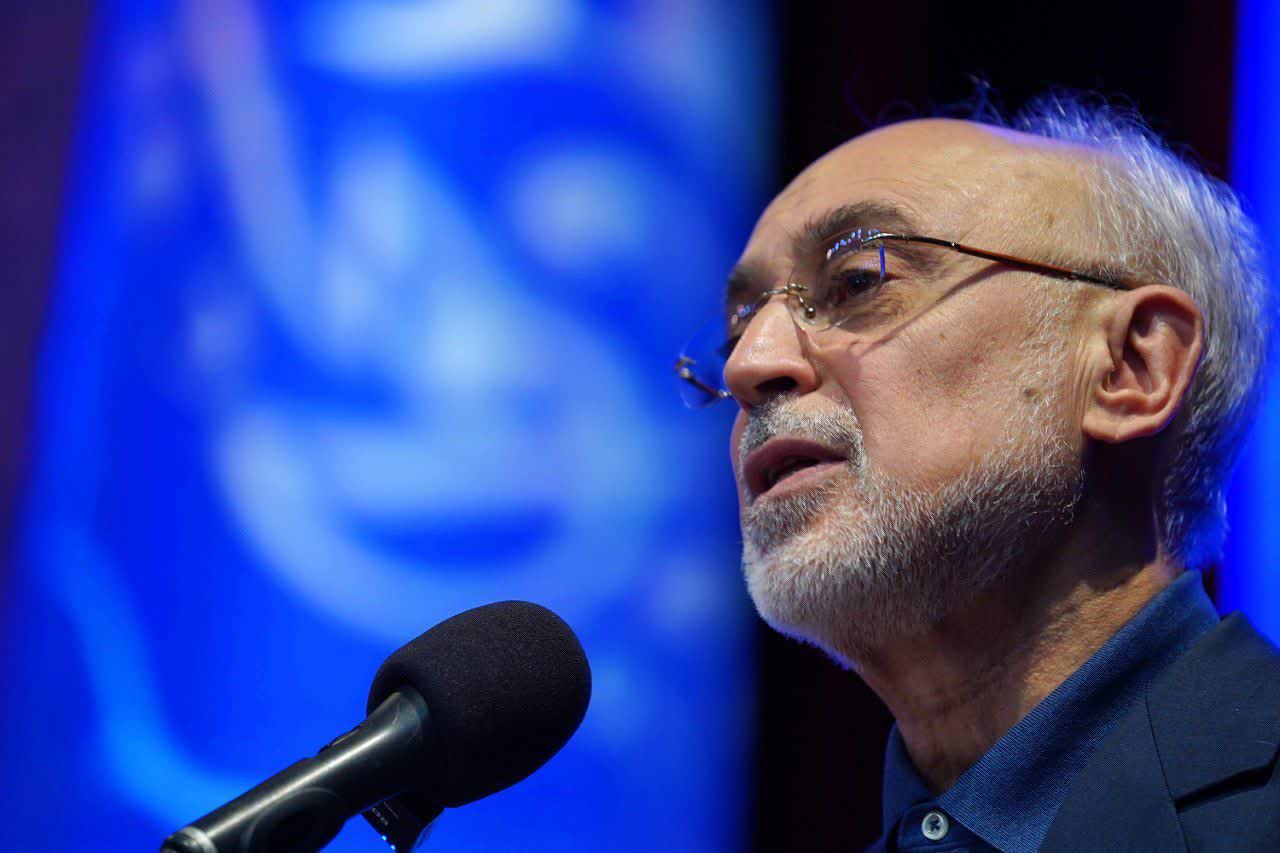
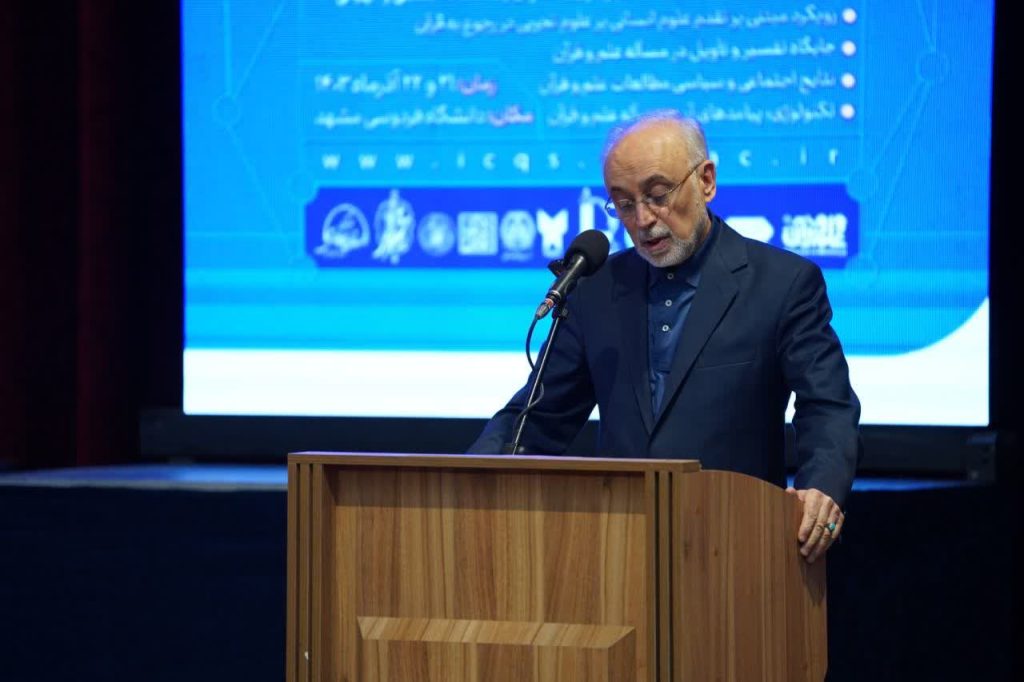
At the beginning of his speech at the opening ceremony of the Second International Conference on Quran and Science, Dr. Ali Akbar Salehi expressed his gratitude to the founders and organizers of the conference. While commemorating the memory of the martyred President Ebrahim Raisi and his devoted wife Dr. Alamolhoda, who were among the initiators of this conference, he stated: “You have initiated a very beautiful endeavor. God willing, through the blessed intention behind this effort, it will bear valuable fruits for society with strong roots.”
The Marginalization of Quran and the Need for Its Revival
Dr. Salehi pointed to the marginalization of the Quran, particularly among Shia Muslims, expressing hope that this conference would be a step toward ending this neglect. He lamented: “If only we could let our youth taste the sweet nectar of understanding the Quran.”
Historical Interaction Between Science and Religion
He discussed the longstanding relationship between science and religion as two fundamental pillars of human civilization that have sometimes worked in harmony and sometimes in opposition. Quoting the beautiful saying “Knowledge is of two kinds: knowledge of religions and knowledge of bodies,” Dr. Salehi emphasized the duality of religious and material sciences.
Science and Religion from Quranic Perspective
Dr. Salehi explained the elevated status of knowledge and scholars by citing Quranic verses:
• “Say: Are those who know equal to those who know not?” (39:9)
• “Only those among His servants who have knowledge fear Allah.” (35:28)
Referring to the verse “We will show them Our signs in the horizons and within themselves” (41:53), he emphasized how the Quran invites humans to study nature, the universe, and their own souls.
Religion’s Role in Guiding Science
Dr. Salehi described religion as a tool for spiritual purification and organizing life that achieves its ultimate purpose through reason. Quoting Imam Ali (AS) – “How many a learned person has been destroyed by his ignorance while his knowledge remained with him but did not benefit him” – he stressed the necessity of combining science with ethics.
Science Without Religion: A Danger to Humanity
Pointing to the Hiroshima tragedy as an example of scientific misuse, he noted: “The essence of science is noble, but if not applied correctly, the same science can become useless or even destructive. Nuclear science is valuable, but if we disregard ethics, that same science can lead to catastrophe.”
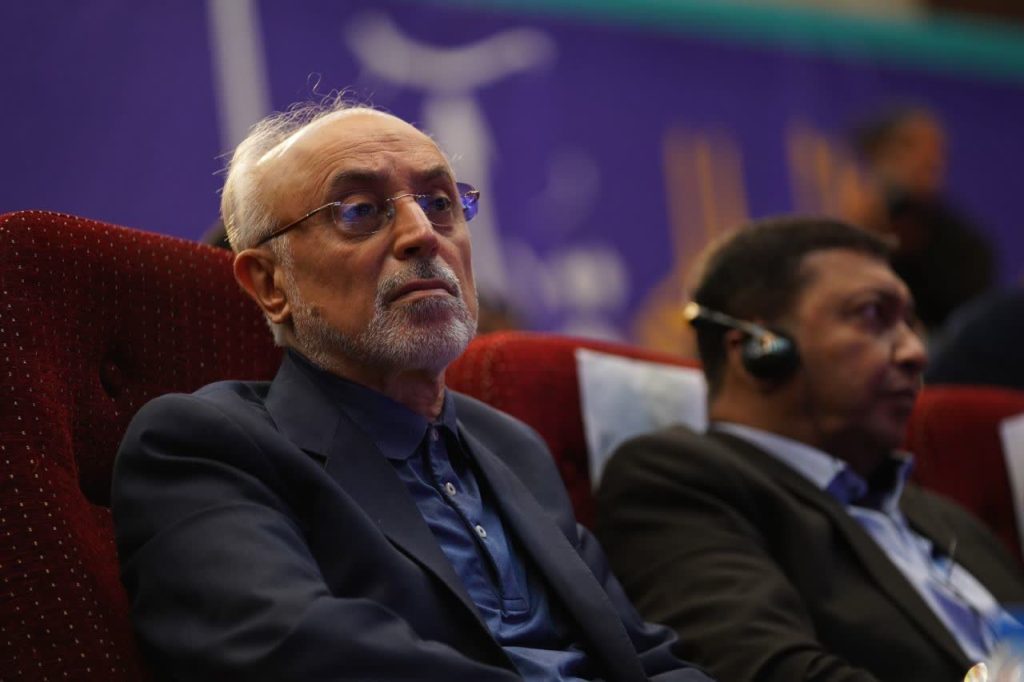
History of Science-Religion Interaction
Dr. Salehi referred to the golden age of Islamic civilization when science and religion progressed in complete harmony, though gradually science became separated from religion. After the Islamic Revolution, religion re-emerged as an inspirational source for researchers in various fields including epistemology, cosmic order, and saving humanity from nihilism. He added: “Even in the Christian world, the dialogue between science and theology is expanding daily.”
The Need for Science-Religion Interaction Today
In conclusion, Dr. Salehi highlighted global crises including social inequalities, oppression (like the Gaza tragedy), and ethical challenges of new technologies, emphasizing: “Today more than ever, we feel the need for constructive interaction between science and religion. We hope this newly planted sapling can respond to contemporary needs.”
He finally noted: “Through this interaction, we can envision a brighter, more just and humane future for human society.”
This speech, combining Quranic, historical and social perspectives, emphasized the necessity of connecting science and religion to address global challenges while opening new horizons for interdisciplinary research.