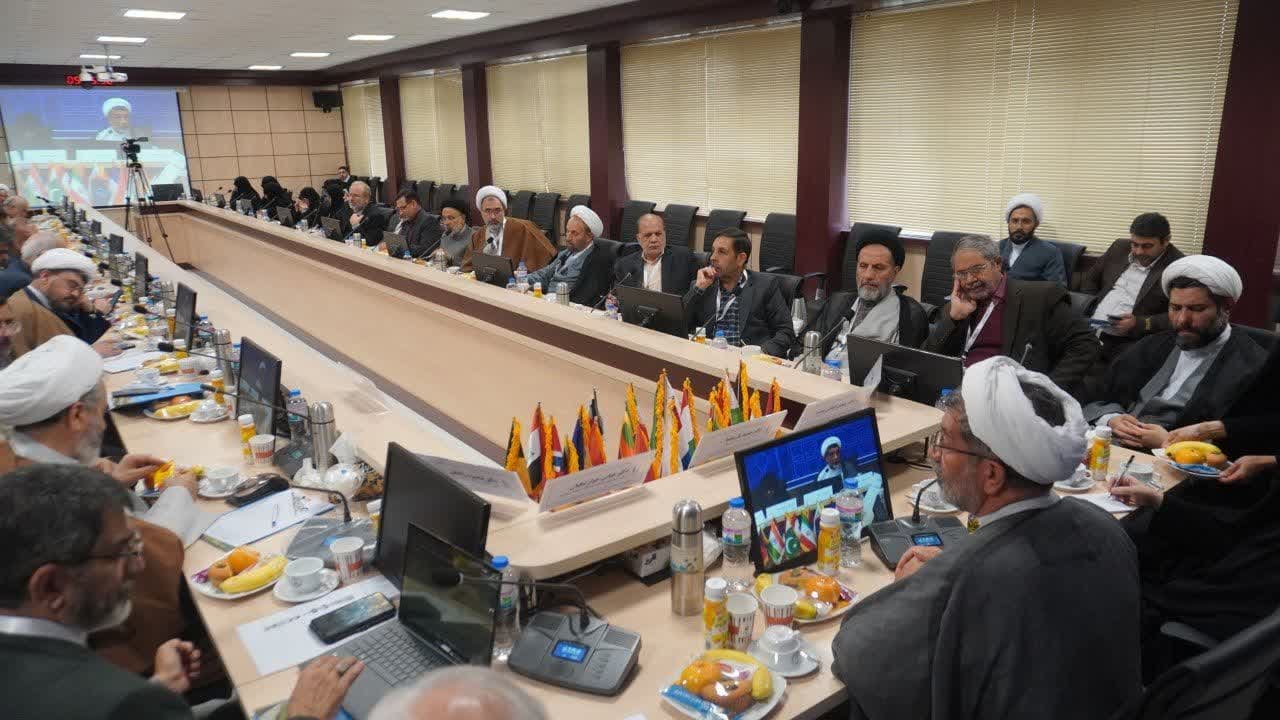
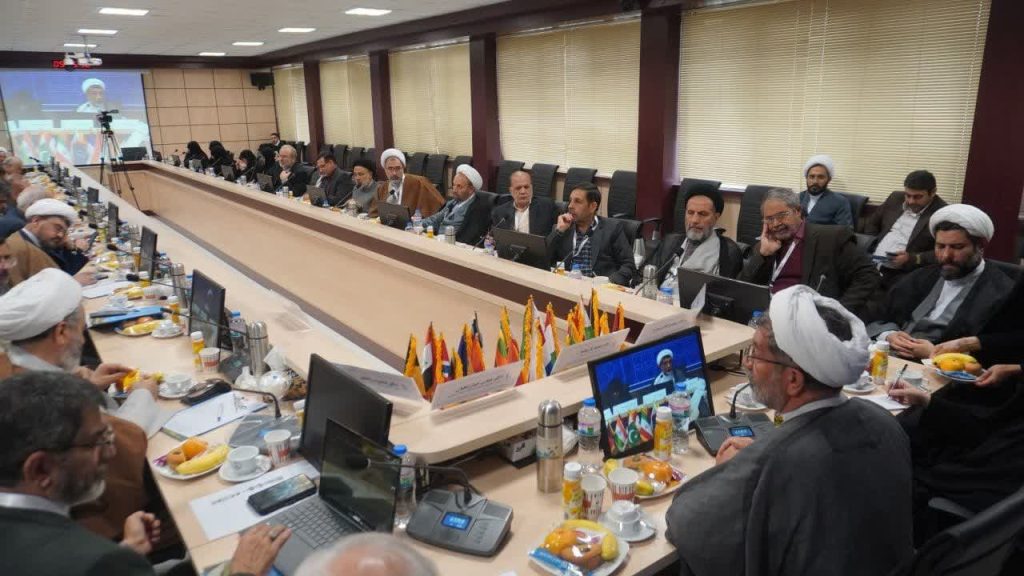
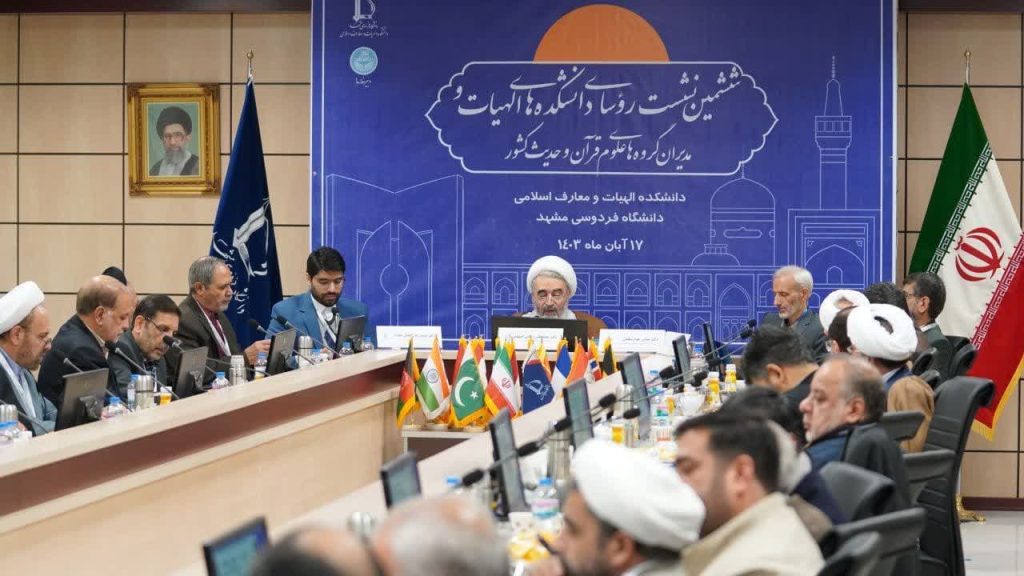
Mashhad – Thursday, November 7, 2024 – The sixth annual gathering of deans from theology faculties and heads of Quranic and Hadith studies departments across Iran was held this morning at the Faculty of Islamic Studies and Theology of Ferdowsi University of Mashhad. Host dean Dr. Javarshakian commenced the proceedings by acknowledging the spiritual significance of meeting near the holy shrine of Imam Reza (AS): “Our gathering enjoys two distinguished guests – Imam Reza (AS) and the Holy Quran. The establishment of our Quran and Science Research Center has further solidified this sacred connection.” The specialized symposium, organized to explore methodologies for strengthening the integration between Quranic sciences and modern academic disciplines, brought together distinguished scholars and leading experts in Islamic studies.
Dr. Javarshakian outlined the meeting’s three primary discussion tracks: theoretical frameworks focusing on resistance theology, scientific research methodologies inspired by Quranic principles, and academic curricula development for Quranic/Hadith studies along with planning for the International Conference on Resistance Theology. Dr. Vaezi, Dean of Tehran University’s Faculty of Theology, emphasized the critical need for applied theology programs: “Our fourth-generation universities must develop practical theological applications for contemporary life challenges,” while announcing upcoming conferences addressing “Social Responsibility Through Theological Lenses” and “Quran-Science Interdisciplinary Studies.”
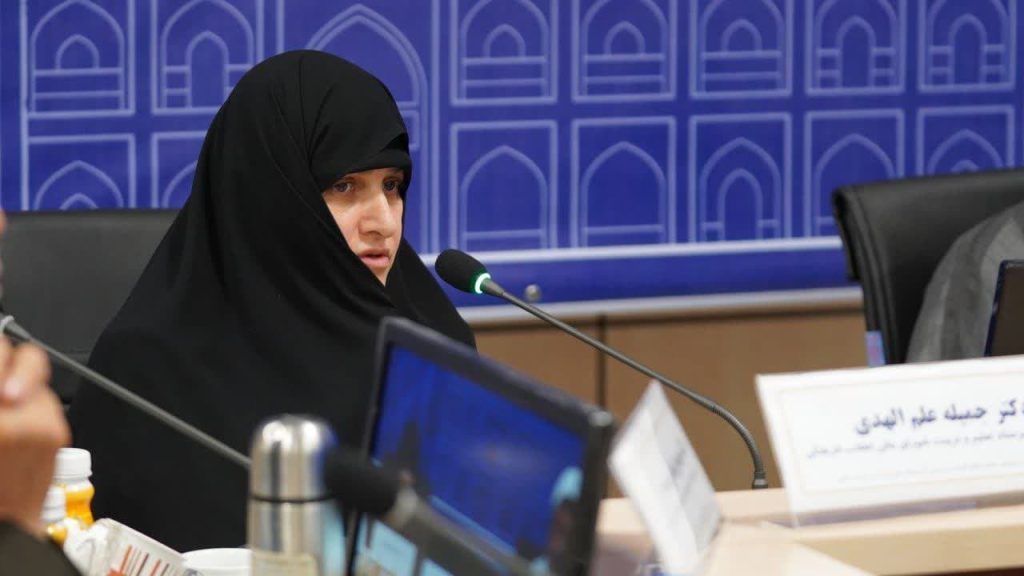
دکتر بذرHojjatoleslam Parsania, in his historical analysis of theological studies’ evolution, asserted: “This distinguished assembly possesses the capability to develop actionable plans for elevating theology faculties’ academic standing. By properly understanding our own identity, we can help shape the intellectual foundation for other academic disciplines as well.” Dr. Bazrafshan, Director of Ferdowsi University’s Quran and Science Research Center, outlined the institution’s pioneering methodology: “Our research agenda, inspired by Quranic insights, has the potential to inform national science and technology policymaking. This approach represents a paradigm shift in aligning divine wisdom with scientific progress.”
Hojjatoleslam Esfahani, head of Al-Mustafa University’s Quranic Studies Center, highlighted the Quran’s scientific relevance: “With approximately 2,000 verses containing scientific references, we must prioritize interdisciplinary studies to unlock these insights,” urging proactive scholarship: “Rather than merely identifying Quranic references after scientific discoveries, we should utilize these divine signs to guide and anticipate research breakthroughs.” In the concluding session, Dr. Javarshakian presented detailed plans for the upcoming International Conference on Resistance Theology, outlining its key objectives of “Scientific Elucidation of Resistance Thought” and “Strengthening the Scientific Diplomacy of the Resistance Front,” while emphasizing the importance of interfaith and inter-madhab participation by proposing contributions from various Islamic denominations to foster comprehensive dialogue. Following extensive deliberations and valuable input from attendees, the meeting was adjourned.