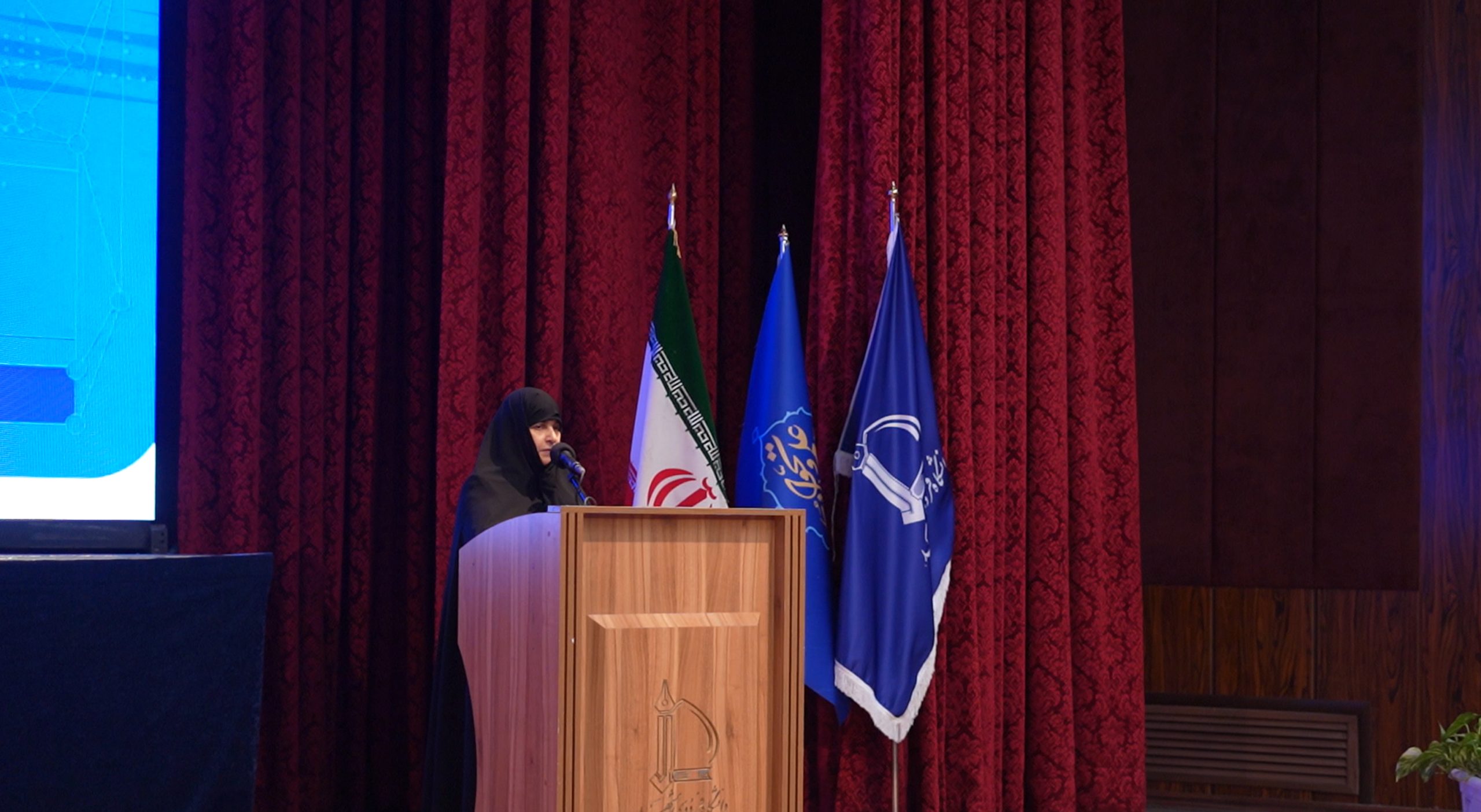
The speech by Dr. Jamileh Sadat Alamolhoda at the Second International Conference on Quran and Science began with the remembrance of God and salutations to the pure souls of martyrs. She expressed gratitude to the professors, Quranic scholars, and participants present at the conference, and also thanked the officials of Ferdowsi University of Mashhad, particularly Dr. Miri and Dr. Bazrafshan-Moghaddam.
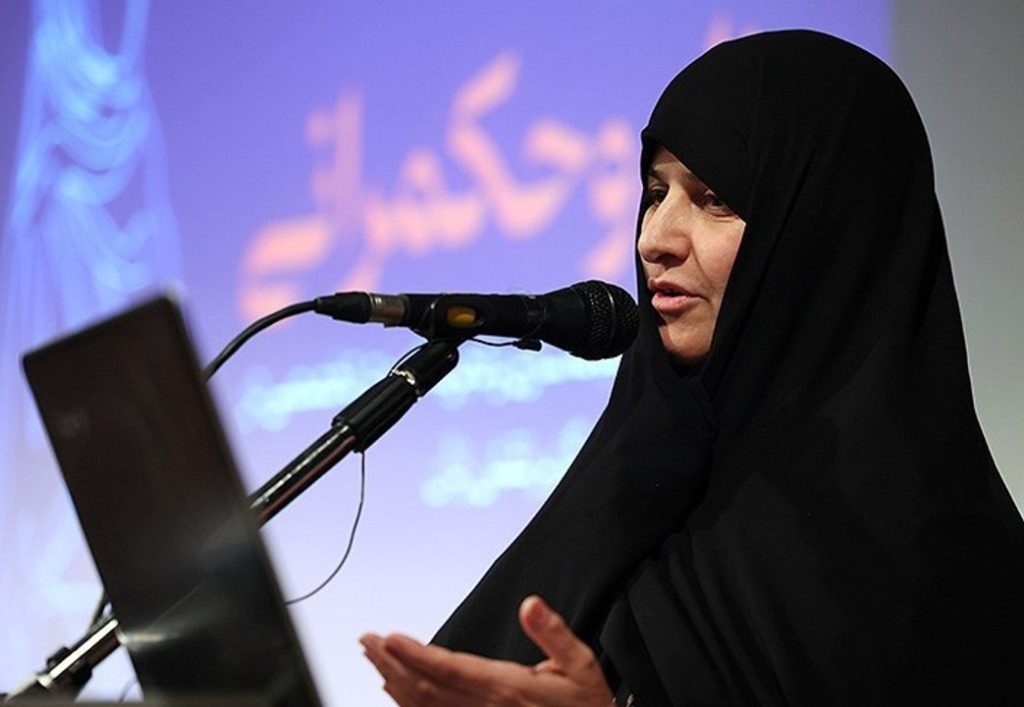
At the beginning of her speech, Dr. Alamolhoda noted that the previous conference coincided with the tragic martyrdom of the honorable former president, which prevented her from speaking at its closing ceremony. She expressed happiness that, by the grace of the Holy Quran, not only has this conference continued, but the establishment of the Quran and Science Research Institute has also been realized as an innovative and transformative step in the country’s scientific landscape.
In the scientific part of her speech, due to time constraints, she briefly addressed one of her main research topics. Dr. Alamolhoda examined two types of rationality: one rooted in the tradition of Islamic realism, and another prominent in modern Western philosophy, particularly in the Cartesian tradition. She emphasized that a comparative study of these two perspectives could open new ways to analyze today’s epistemological and civilizational challenges.
She then invited the audience to read and critique her scientific paper titled “The Pleasures of Subjectivity and Islamic Rationality.” According to her, the pleasures of subjectivity refer to events that occur within the framework of modern rationality and have led to a kind of “spiritual alienation of humanity”—a concept that can be analyzed through the teachings of Shahab al-Din Suhrawardi. This alienation results from humanity’s disconnection from the sacred dimensions of existence and entanglement with the self-sufficiency of modern reason.
In another part of her speech, Dr. Alamolhoda pointed to the rapid growth of technology, stating that while modern technologies have provided unprecedented comfort and convenience for humans, this very development sometimes leads to scientific narcissism. This manifests when humans consider themselves the sole and absolute agents of the world and pursue endless individual interests. She described this situation as a form of subjectivity’s dominance over human rationality.
In conclusion, she addressed the practical and objective challenges faced by professors and researchers in academia, noting that a university professor always faces two responsibilities: first, to stimulate motivation and inquiry in students, and second, to persuade administrators and executives to provide the necessary resources for research. These two arenas reflect the relationship between thought, action, and structure in the institution of science.
Dr. Alamolhoda’s speech ended with a prayer for the continuation of this scientific and Quranic path and the attainment of lofty civilizational horizons.