“We are what we eat”
this phrase, commonly cited in gut-brain-microbiota axis research, reflects the profound influence of food on both body and mind. But can this scientific perspective also be applied to examine the effects of halal (permissible) and haram (forbidden) foods?
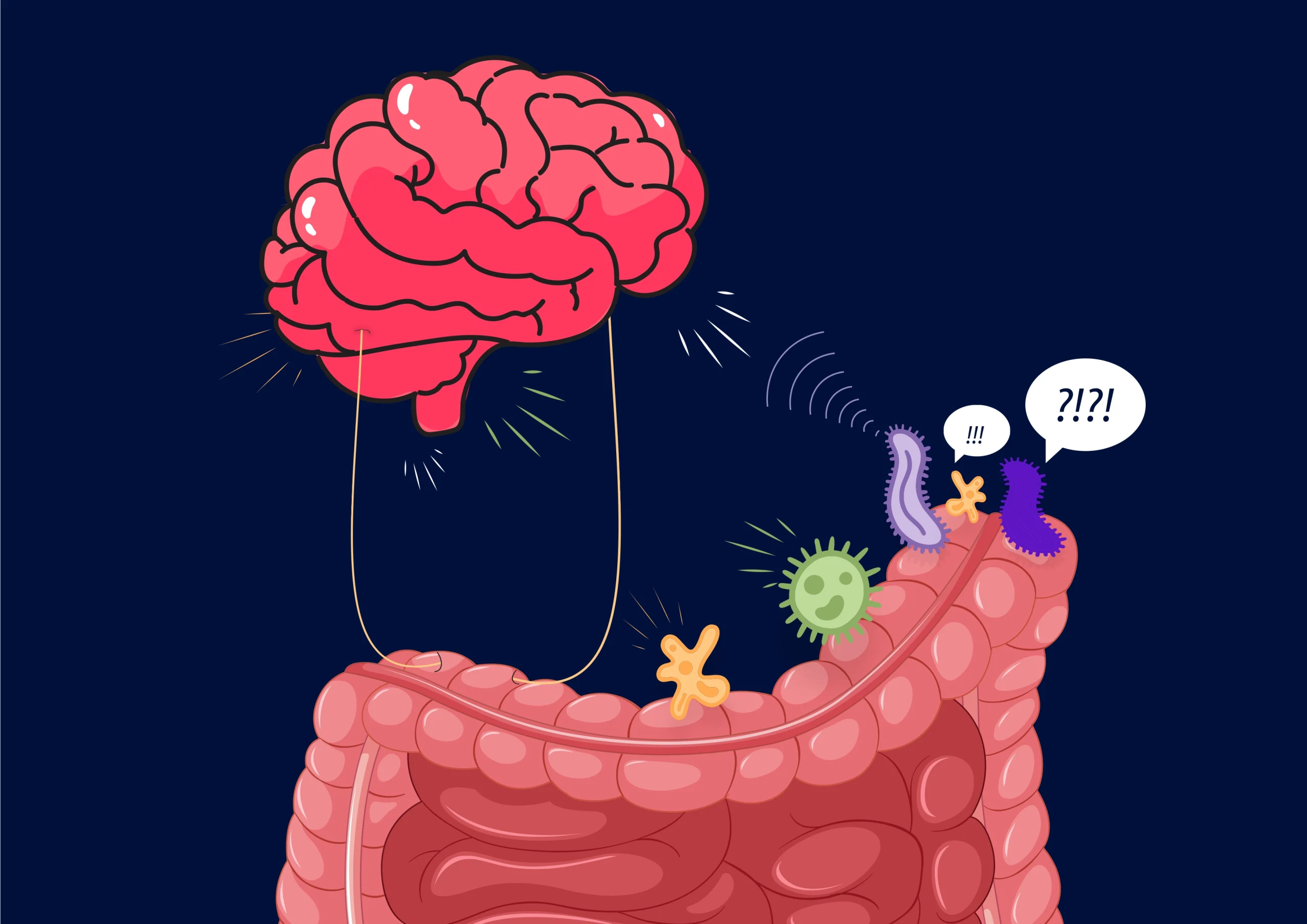
The Holy Quran, in numerous verses, invites believers to consume wholesome (tayyib) nourishment while prohibiting specific foods such as pork, blood, and carrion. Are these directives purely spiritual in nature, or might there be scientific and biological rationales behind them? Modern biological sciences have demonstrated that nutrition affects not only physical health but also brain function, behavior, emotions, and even decision-making processes. These effects can be explained through the “gut-brain-microbiota axis” – a complex communication system governed by a network of beneficial and harmful microbes in the body that can influence mood, cognition, anxiety, depression, and even social behaviors.
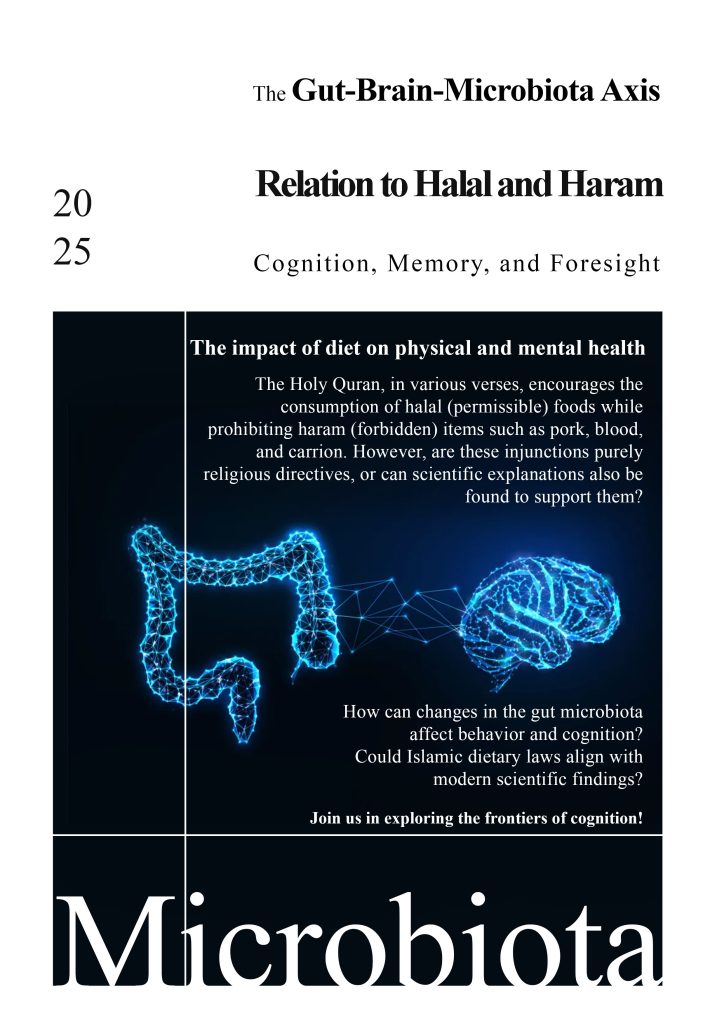
This call invites students, researchers, and scholars across all academic levels to expand our scientific understanding of halal and haram foods in the fields of biology, neuroscience, medicine, biotechnology, and interdisciplinary sciences. Research projects are categorized by academic level, and we welcome all scientific, artistic, and research contributions that meet academic standards.
Research Levels and Suggested Topics
Level 1: Elementary Students
Understanding Nutrition’s Impact on Physical and Mental Health
Suggested Activities:
- Poster design: “How Do Healthy Foods Strengthen Our Brains?”
- Creative writing: “If My Brain Could Talk About Food, What Would It Say?”
- Observational study: Comparing effects of healthy vs. unhealthy diets on energy and emotions
Guiding Questions: - Why are some foods beneficial while others are harmful?
- Can the foods we eat influence our behavior?
- Why do various religions prohibit certain foods?
Objective: Enhance children’s awareness of nutrition’s role in physical/mental health.
Level 2: Middle/High School Students
Scientific Analysis of Diet’s Effects on Body and Brain
Research Proposals:
- Effects of healthy nutrition on concentration and memory
- Can certain foods trigger anxiety or depression?
- Impact of different diets on gut microbiota
- Why does Islam prohibit blood consumption? Biological examination
- Scientific investigation of claims linking pork consumption to behavioral changes
Objective: Explore biological/cognitive effects of nutrition and potential connections to religious teachings.
Level 3: Undergraduate Students
Nutrition, Microbiota, and Cognitive Behavior
Research Questions:
- How do halal/haram foods affect gut microbiota composition?
- Can microbiota changes influence personality and behavior?
- Fasting’s role in gut microbiota regulation and mental health
- Inflammatory foods and neurological disorders (Alzheimer’s, autism)
- Potential mechanisms of haram foods’ neurological effects via gut bacteria
Objective: Scientific analysis of the nutrition-microbiota-cognition relationship.
Level 4: Graduate Students (MSc/PhD)
Nutrition’s Impact on the Gut-Brain-Microbiota Axis
Advanced Research Proposals:
- Comparative analysis of gut microbiota in halal vs. non-halal diets
- Role of fatty acids/proteins in meat-induced microbiota changes
- Islamic dietary practices and neuroinflammatory diseases
- Processed foods and gut-brain axis disruption
- Developing health-optimized diets based on Quranic nutritional guidance
Objective: Biological and cognitive analysis of nutrition’s effects on mental function.
Level 5: Interdisciplinary Researchers
(Biology, Medicine, Neuroscience, AI, Cognitive Science)
Cutting-Edge Studies:
- Metagenomic analysis of gut microbiota across dietary patterns
- Gut microbes’ role in neurotransmitter production and cognition
- Machine learning modeling of diet-brain interactions
- Microbiota modulation as neurological disorder therapy
- Cognitive effects of Quran-recommended foods
- Experimental designs elucidating microbiota-behavior mechanisms
Objective: Mechanistic investigation of nutrition’s impact on cognition at advanced scientific levels.
Submission Guidelines
- Accepted Formats: Research papers, articles, posters, videos, stories, or other creative works
- Awards: Outstanding contributions will be published on the project’s official website and receive scientific recognition
- No Restrictions: All academic, artistic, and literary approaches are welcome
We look forward to your innovative research contributions!