Objectives of This Call:
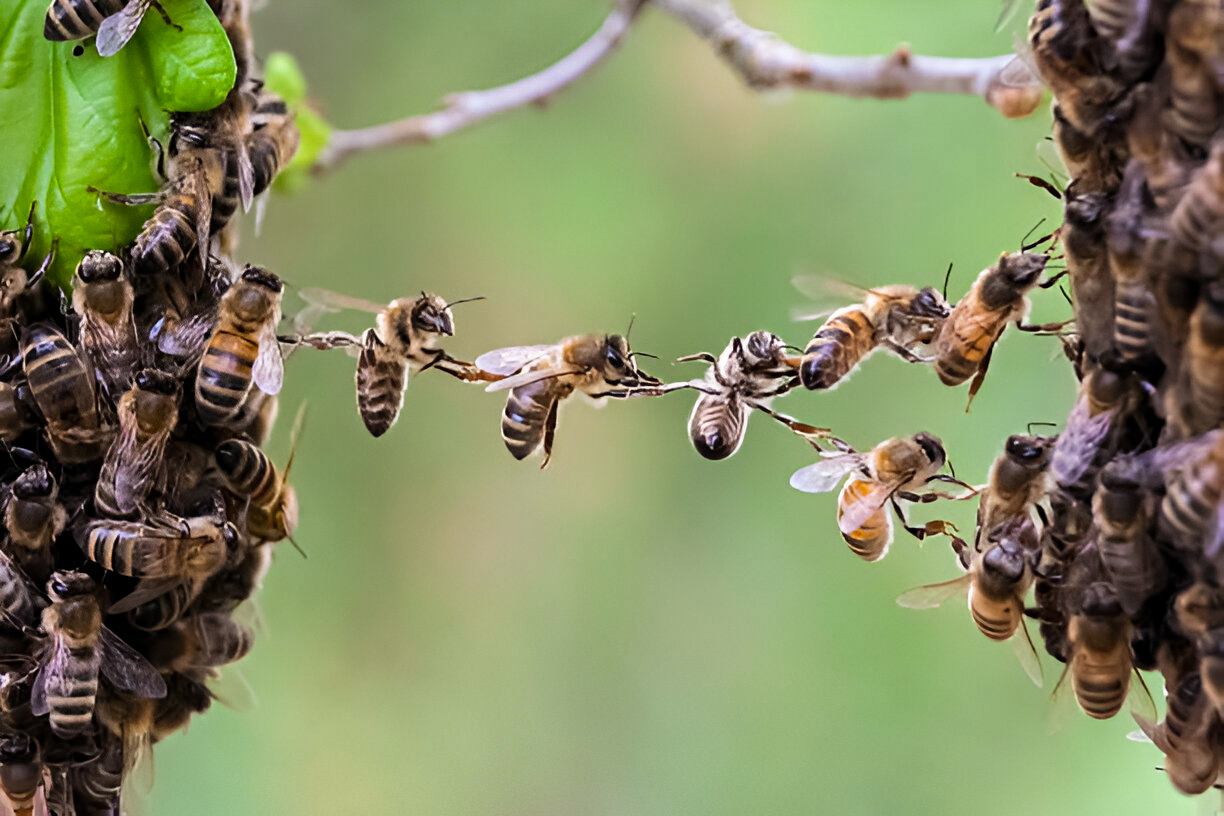
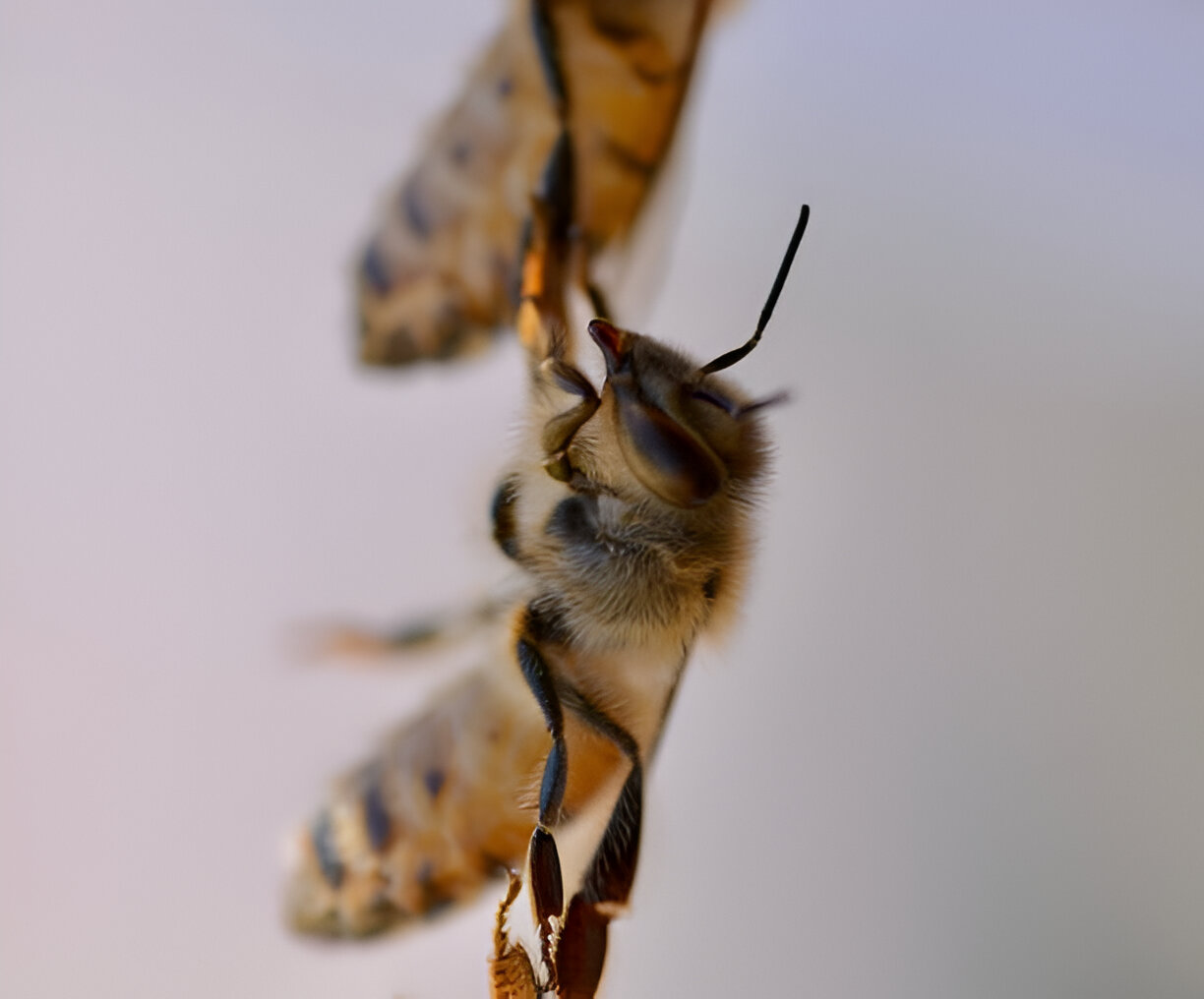
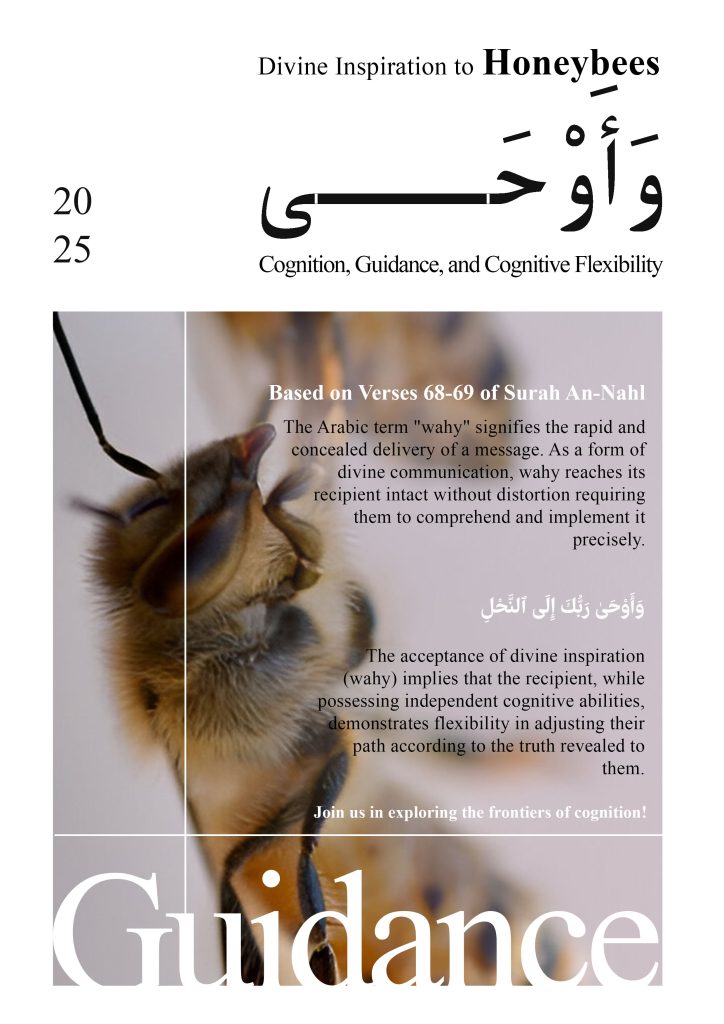
The honeybee stands as one of the most cognitively advanced invertebrates. Scientific research has demonstrated that this insect possesses precise spatial memory, optimal decision-making capabilities, complex communication systems, problem-solving skills, and even indicators of cognitive control. In verses 68-69 of Surah An-Nahl, the Quran speaks of divine inspiration (wahy) to honeybees, which can inspire extensive studies across biological sciences, cognitive science, biomimetics, and even robotics.
These research projects are structured at various levels (K-12, undergraduate, and professional research) and will be conducted through our website, research centers, schools, and academic institutions.
Participation Framework:
The suggested categories serve as guidelines, and participants may engage according to their interests and capabilities. An elementary student might present valuable observations, while a university professor could study bee cognition algorithms for engineering system optimization.
Level 1: Elementary Students | Introduction to Honeybees and Basic Cognitive Concepts
Suggested Activities:
- Poster design: How do honeybees navigate their routes?
- Storytelling: If you were a bee, how would you decide where to produce honey?
- Observation/videography: Documenting hive entry/exit behaviors
- 3D modeling/drawing: Illustrating hive structure and bee interactions
Goal: Introduce children to honeybee behaviors and cognitive abilities
Level 2: Middle/High School | Scientific Analysis of Honeybee Behavior in Nature
Research Topics:
- Navigation behavior: How do bees return to hives unerringly?
- Social learning: Do young bees acquire navigation skills from experienced ones?
- Path learning: Do bees memorize new routes or follow preset patterns?
- Cultural analysis: Do literary/cultural depictions of bees match scientific reality?
Goal: Examine navigation proficiency, flexibility, and social learning
Level 3: Undergraduate | Cognitive Control in Honeybees
Research Questions:
- Can bees process multiple decision options simultaneously?
- How to quantify bee cognitive flexibility compared to other species?
- Do bees alter strategies in novel situations or follow fixed rules?
- Current limitations in cognitive models of bee intelligence
Goal: Study cognitive flexibility, control mechanisms, and decision-making
Level 4: Graduate Studies | Advanced Cognition and Guidance Systems
Research Areas:
- Neural imaging techniques for bee brain analysis
- Potential machine learning applications of bee cognition
- Robotic mimicry: How closely can we replicate bee decision-making?
Goal: Investigate neural structures and cognitive modeling potential
Level 5: Interdisciplinary Research (Cognitive Science, AI, Biology, Engineering)
Key Investigations:
- Executive brain functions in navigation/decision-making
- Comparative cognitive flexibility across species
- Neuron imaging and machine learning analysis
- Biomimetic AI systems inspired by bee cognition
Goal: Advance understanding of cognitive processes and technological applications
submission Guidelines:
- Acceptable formats: Research papers, articles, posters, videos, stories
- Outstanding works will be published on our official website.
- Scientific awards for exceptional contributions
- No restrictions on presentation methods
Submit via the project website.
Why This Research Matters
This research will:
- Provide new insights into biological decision-making processes
- Advance cognitive science and memory modeling
- Inspire AI development through biomimicry
- Explore the intersection of Quranic revelation and scientific inquiry
We await your innovative research, ideas, and creative contributions!